Solid-State Solar Batteries: Next-Gen Solar Energy Storage
Discover how solid-state solar battery technology works, comparing energy density, safety, and lifespan against traditional LiFePO4 solar storage.
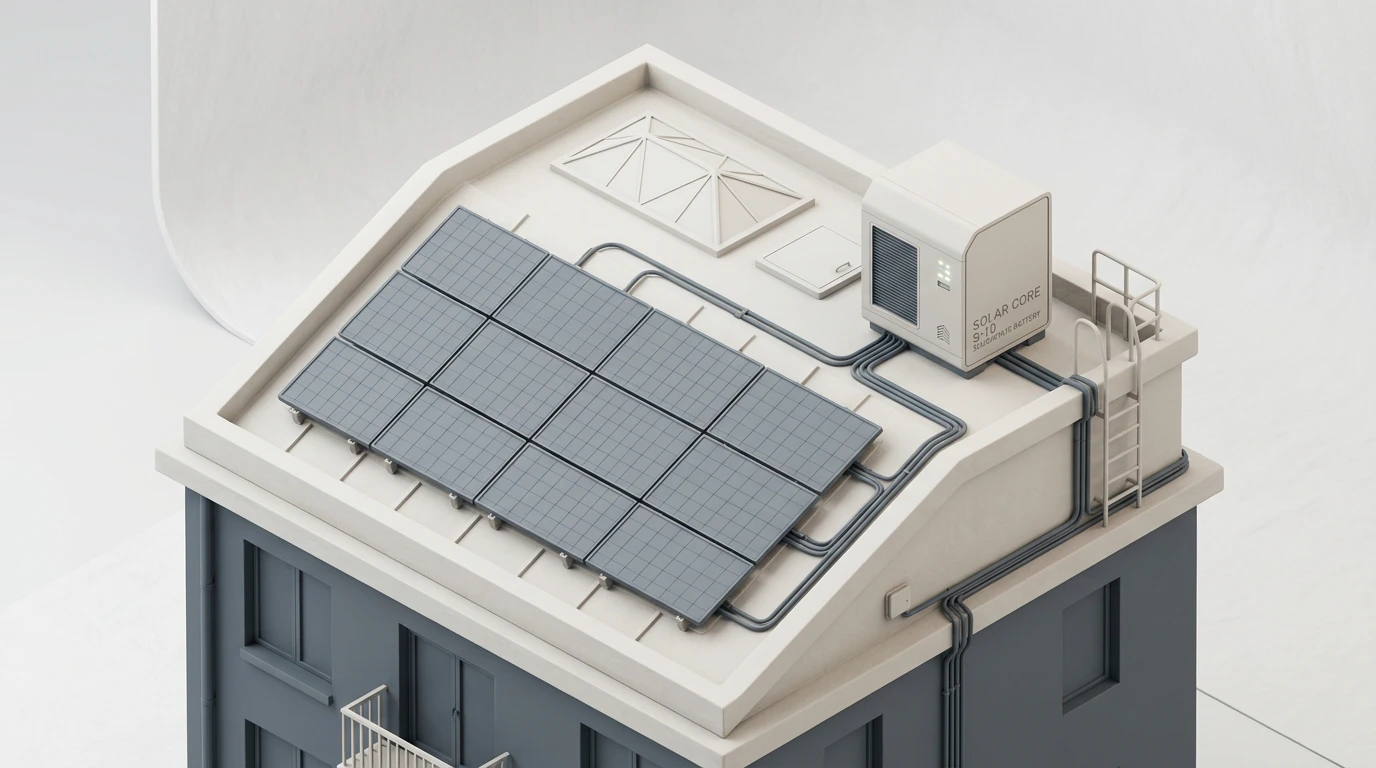
Solar energy storage is undergoing a technological revolution. For over a decade, lithium-ion batteries, particularly Lithium Iron Phosphate (LiFePO4), have served as the standard choice for home solar energy storage. While LiFePO4 chemistry is reliable and safe compared to older battery types, it has physical limits in energy density, weight, and operating temperature range.
Solid-state solar battery technology represents the next major breakthrough. By swapping out volatile liquid electrolytes for solid ceramic or polymer materials, solid-state batteries offer higher energy storage in smaller packages, immune safety against fires, and significantly longer operational lifespans.
In this guide, we explore how solid-state batteries work, compare them with current LiFePO4 home systems, and examine their impact on solar power storage.
How Solid-State Solar Batteries Work
Conventional solar batteries rely on liquid or gel electrolytes to move ions between the positive terminal (cathode) and negative terminal (anode). Over thousands of charge cycles, liquid electrolytes can degrade, form needle-like dendrites, or risk chemical leakage under extreme heat.
Solid-state batteries replace liquid solutions entirely with a thin solid electrolyte material, such as ceramic, glass, or solid polymers.
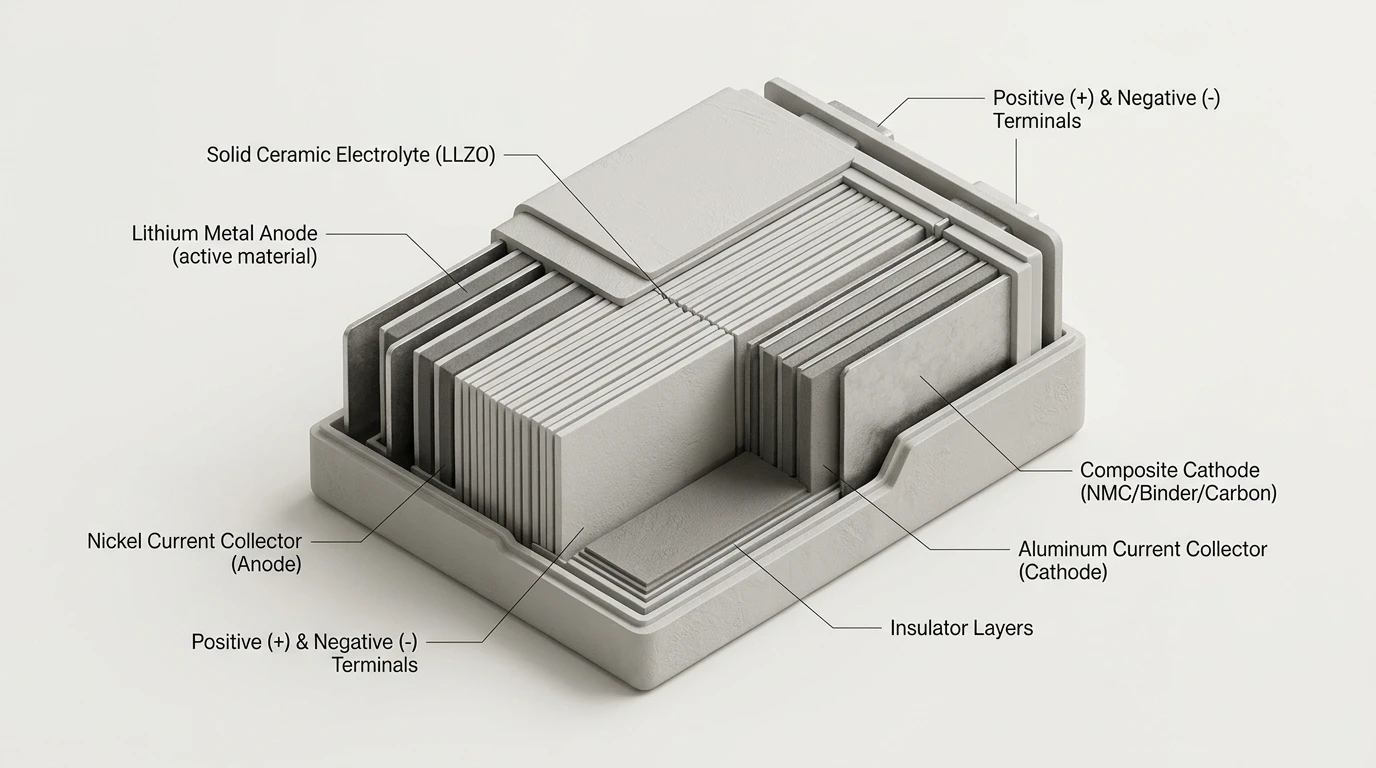
Inside a solid-state battery cell:
- Lithium Metal Anode: Solid-state architecture allows the use of pure lithium metal anodes, which store far more energy than graphite anodes used in standard batteries.
- Solid Ceramic Electrolyte: A dense ceramic barrier conducts ions quickly while physically preventing dendrites from penetrating through the cell.
- High-Voltage Cathode: Solid electrolytes tolerate higher operating voltages without chemical breakdown, enabling faster energy transfer.
Solid-State vs. Lithium Iron Phosphate (LiFePO4)
When evaluating home energy storage systems, comparing key technical metrics shows why solid-state batteries are the future of solar storage:
Solid-State Battery Storage
- Over 2.5 times higher energy density than LiFePO4 cells
- Zero fire risk due to non-flammable solid ceramic electrolyte
- Extremely wide operating range from -50°C to 70°C
- 10,000 to 15,000 cycle lifespan matching solar panel longevity
- Ultra-fast charging capability with low heat output
LiFePO4 Lithium Batteries
- Current mature standard for residential solar installations
- Proven safety record compared to legacy cobalt batteries
- Heavy and bulky cabinet footprints for larger kWh capacities
- Requires internal heating elements for freezing weather
- 4,000 to 6,000 cycle lifespan before capacity degradation
With an energy density exceeding 400 Wh/kg, solid-state battery systems store the same amount of solar power in less than half the space of conventional battery banks.
Key Advantages for Residential and Commercial Solar
Solid-state batteries offer several game-changing improvements for solar installations:
Absolute Thermal Safety and Zero Fire Hazard
Because solid electrolytes contain no flammable organic solvents, solid-state batteries cannot suffer thermal runaway. Homeowners can safely install high-capacity battery banks inside basements, garages, or living spaces without fire containment barriers.
20+ Year Lifespan to Match Solar Panels
Standard solar panels come with 25-year performance warranties, but traditional lithium batteries often need replacement after 10 to 12 years. Solid-state cells withstand over 10,000 to 15,000 charge cycles, allowing your energy storage system to match the long lifespan of your solar panels.
Uncompromised Cold Weather Performance
Liquid electrolytes grow viscous and lose conductivity in sub-zero climates. Solid ceramic electrolytes maintain steady ionic flow down to -50°C, ensuring your solar battery charges efficiently during winter snowstorms without wasting power on self-heating.
Integrating Solid-State Storage with Home Solar Arrays
Solid-state energy storage units connect seamlessly to modern hybrid inverters and home microgrid systems.
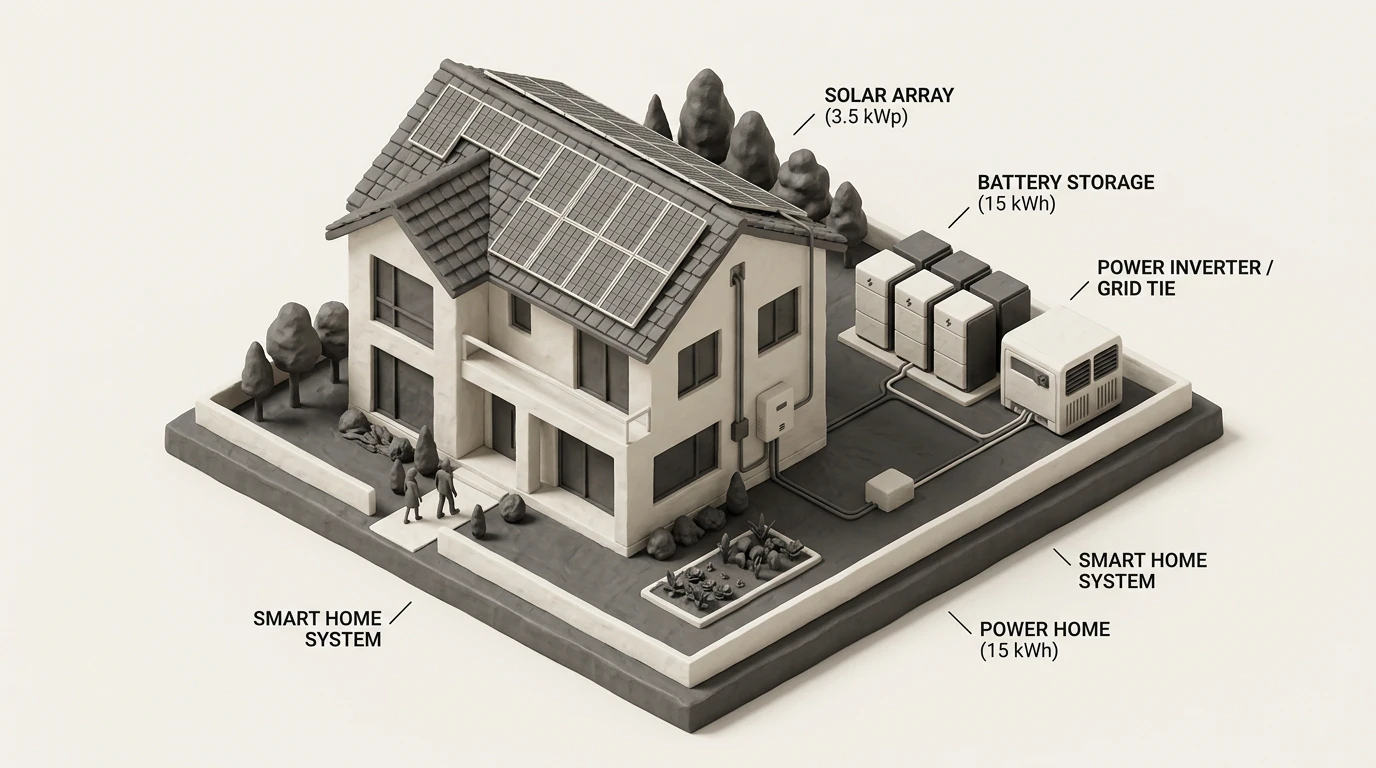
Because solid-state systems operate across standard direct current (DC) voltage ranges, homeowners can replace older battery banks without needing new solar wiring or panel upgrades.
As pilot manufacturing scales up to mass production, solid-state technology will bring compact, maintenance-free, quarter-century energy storage to homes and commercial microgrids.
Frequently Asked Questions
Solid-state solar batteries provide over twice the energy density of traditional batteries, eliminate fire hazards completely by removing liquid electrolytes, and last for over 10,000 charge cycles.
No. Solid-state batteries use solid ceramic or polymer electrolytes instead of flammable liquid chemicals, preventing thermal runaway and fire hazards entirely.
Solid-state solar batteries are engineered to handle 10,000 to 15,000 full charge and discharge cycles. This translates to an operational lifespan of 20 to 25 years, matching the warranty of rooftop solar panels.