Solar Shingles vs. Solar Panels: Cost, Efficiency, and Lifespan
Compare solar shingles and traditional solar panels on cost per watt, efficiency, roof lifespan, aesthetic integration, and ROI.
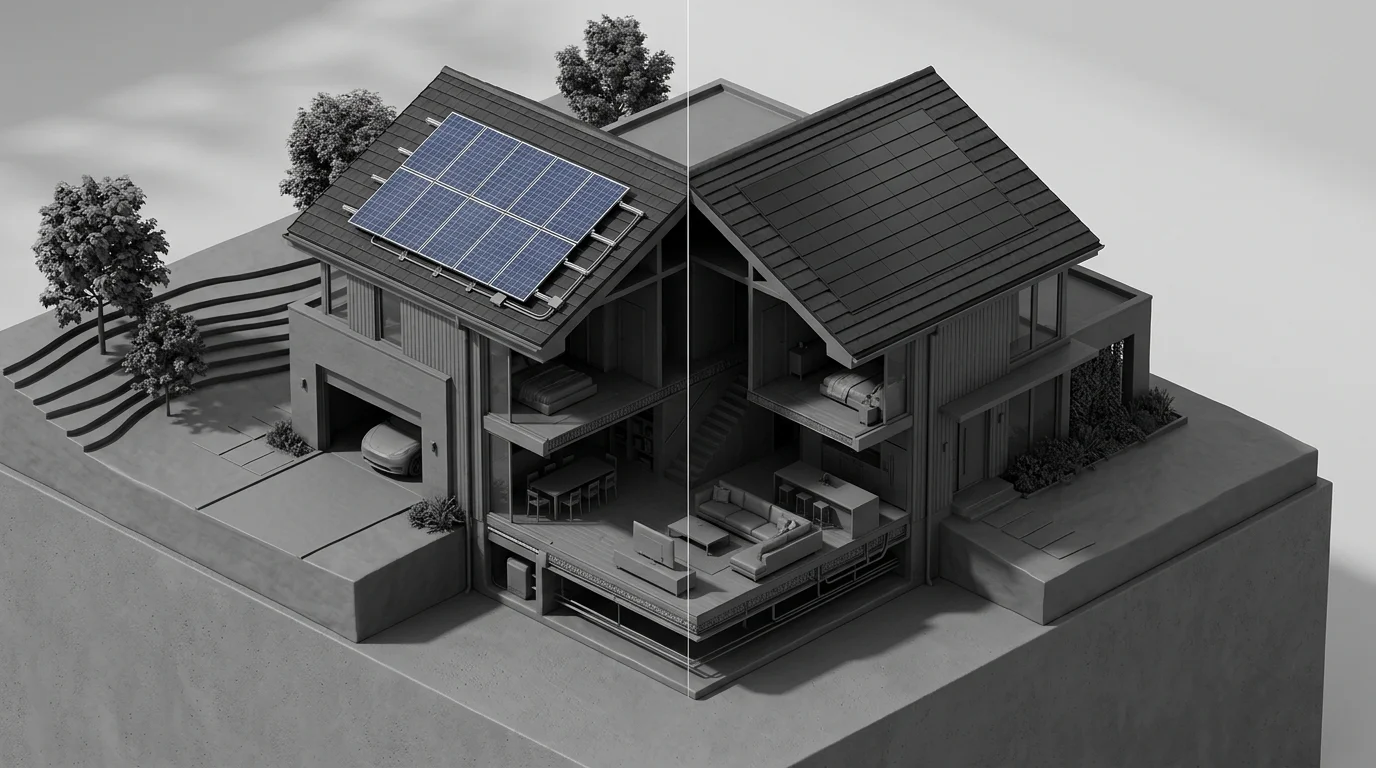
Homeowners looking to generate clean power face a key choice: install traditional solar panels on racking or replace the roof with solar shingles. Both technologies convert sunlight into electricity, but they differ in design, installation, and total cost.
Solar shingles blend directly into your roof structure as building-integrated photovoltaics. Traditional solar panels mount above existing roof shingles on aluminum rails. Understanding how these two options compare helps you select the best solution for your energy goals and budget.
How Solar Shingles Work
Solar shingles function as both standard roof tiles and electricity generators. They are made from photovoltaic cells protected by durable glass or impact-resistant polymers. Installers nail or fasten them directly to the wood roof decking alongside non-solar asphalt shingles or metal tiles.
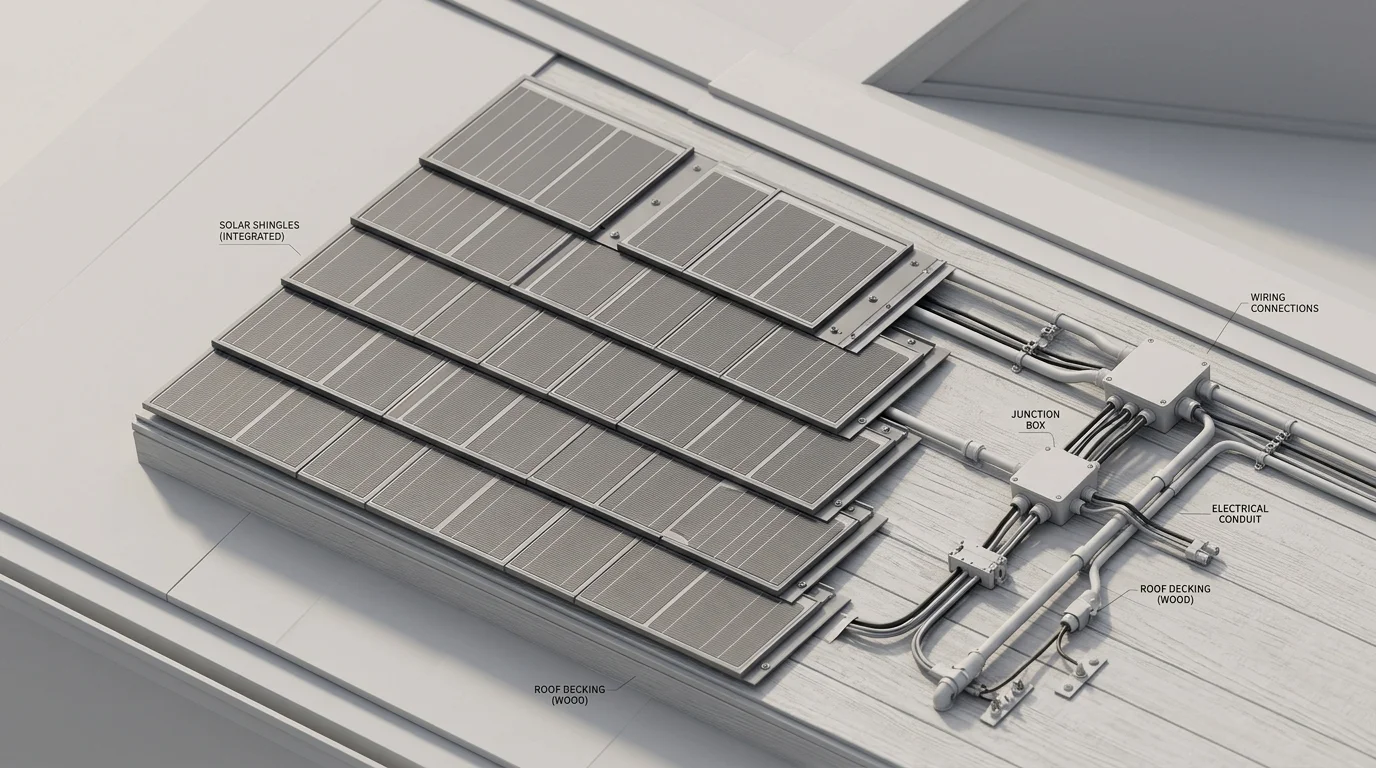
Because solar shingles form the primary protective layer of your roof, they require careful wiring and weatherproofing connections between each tile. They protect your home from rain, wind, and hail while producing clean power for your appliances.
Solar Shingles vs. Solar Panels: Cost and Performance
When evaluating solar shingles against traditional panels, total installed cost and energy conversion efficiency are the main points of contrast:
Traditional Solar Panels
- Higher module efficiency ranging from twenty to twenty-three percent
- Lower installed cost averaging two dollars and fifty cents to three dollars and fifty cents per watt
- Easier to repair, replace, or upgrade individual modules
- Can be installed on existing roofs in good structural condition
- Noticeable rack-mounted appearance above roof tiles
Solar Shingles & Tiles
- Moderate module efficiency ranging from fourteen to eighteen percent
- Higher installed cost averaging four dollars and fifty cents to eight dollars per watt
- Replaces primary roofing materials during a full roof tear-off
- Sleek, low-profile appearance flush with the roofline
- Requires specialized certified roofing and electrical labor
On a cost-per-watt basis, traditional panels remain significantly less expensive. A typical ten-kilowatt residential solar panel system costs between twenty-five thousand and thirty-five thousand dollars before federal incentives. A comparable solar shingle roof system can range from forty-five thousand to eighty thousand dollars because it includes full roof replacement and extensive electrical interconnections.
Key Decision Factors for Homeowners
Which option makes the most sense for your home? Consider these three main factors:
Current Roof Age and Condition
If your existing roof is less than ten years old, traditional solar panels are almost always the smarter financial choice. Solar shingles require replacing the entire roof covering. They are most cost-effective when planned alongside a scheduled roof replacement.
Roof Racking and Ventilation
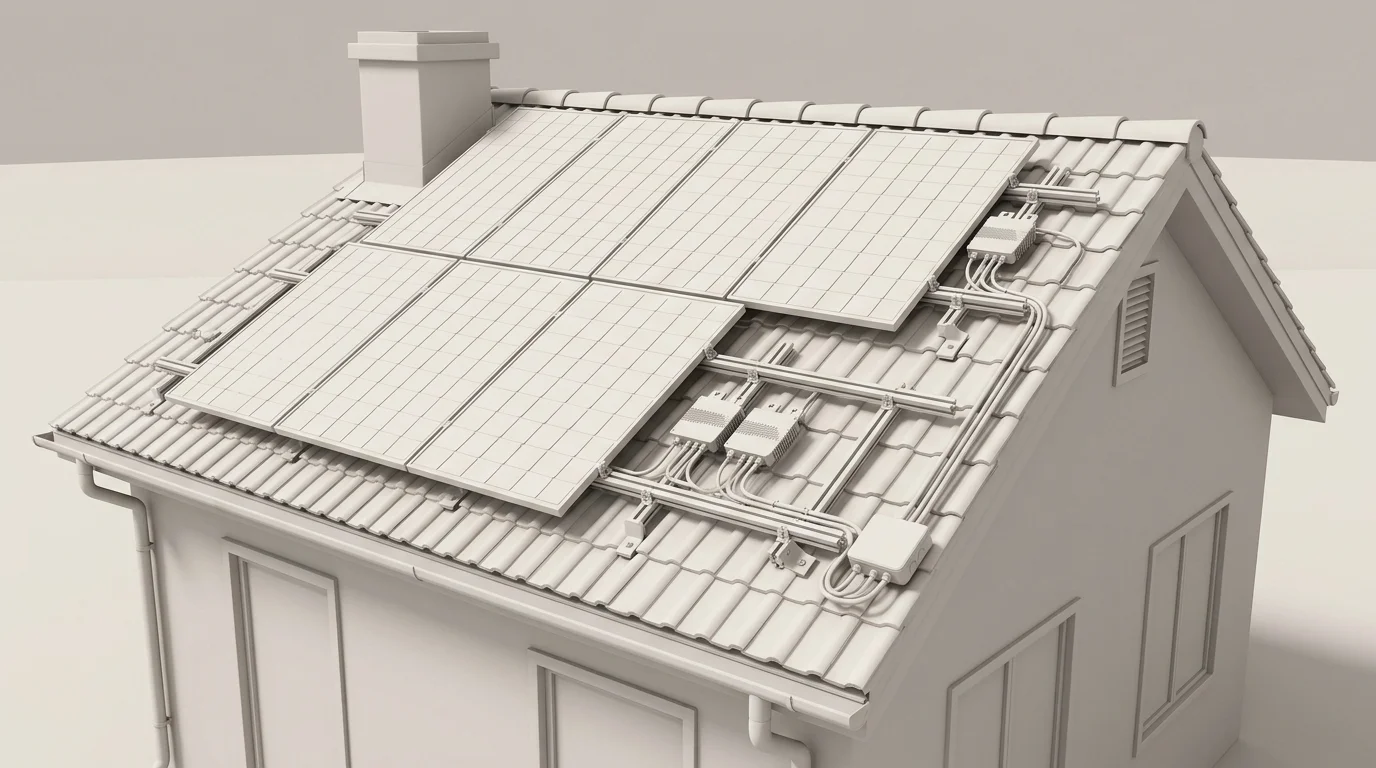
Traditional solar panels rest several inches above the roof surface on aluminum rails. This air gap allows airflow under the panels, keeping them cooler on hot summer days. Cooler panels operate at higher efficiency. Solar shingles rest directly on roof decking, which can lead to higher temperatures and minor heat-related efficiency loss.
Aesthetic Preference and HOA Rules
Solar shingles offer an un-obtrusive look that preserves home architecture and curb appeal. Some homeowners associations or historic districts have strict guidelines regarding visible solar panels. Solar shingles provide a sleek alternative that complies with strict architectural requirements.
Roof Lifespan and Warranty Coverage
Both solar panels and solar shingles offer long operational lifespans:
- Solar Panel Systems: High-quality solar panels carry twenty-five to thirty-year power output warranties. However, the asphalt shingles beneath them may need replacement after twenty years, requiring panel removal and reinstallation.
- Solar Shingle Systems: Solar shingles double as primary roofing material. Leading solar roof products offer a twenty-five-year weatherproofing warranty alongside a twenty-five-year electrical generation warranty.
Frequently Asked Questions
Yes, solar shingles qualify for federal solar investment tax credits. The solar portion of the installation cost can be claimed on federal tax filings.
Per square foot, solar shingles generate slightly less electricity than top-tier traditional panels because they have lower conversion efficiency. However, you can cover a larger surface area of your roof with solar shingles to compensate.
Modern solar shingle systems use modular electrical connections. If one shingle fails, the rest of the array continues operating while a certified technician replaces the single unit.