Power Optimizers vs. Microinverters: Detailed Solar Comparison
Compare power optimizers and microinverters. Learn how DC optimization, AC conversion, MPPT tracking, shading tolerance, and system costs compare.
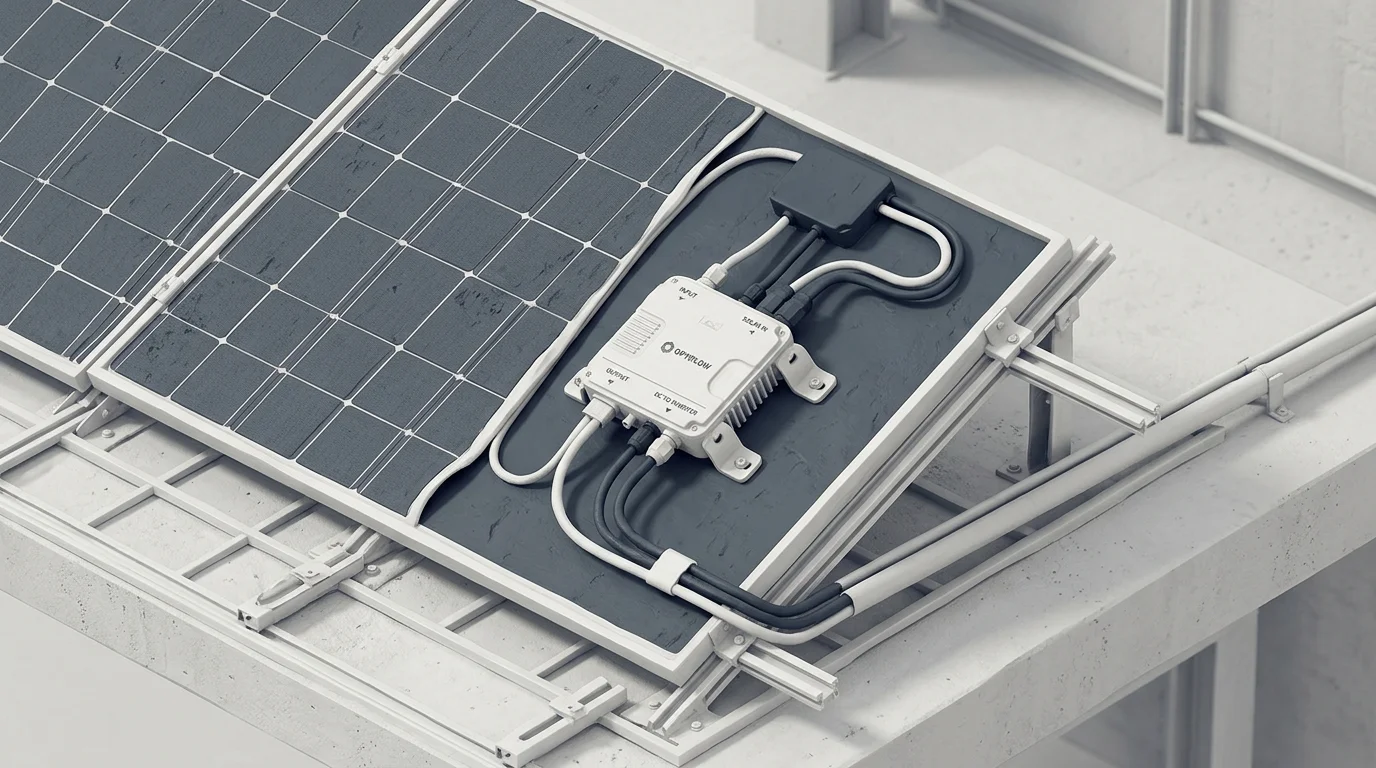
Solar panel systems rely on module-level power electronics to boost energy output on complex roofs. When tree branches or chimneys cast shadows, standard string systems lose significant power across the entire string. Module-level electronics solve this issue by isolating each solar panel.
Two main technologies dominate module-level energy harvesting: DC power optimizers and microinverters. Both systems maximize solar output, but they handle electrical conversion in very different ways. This guide breaks down how each technology works, their costs, warranty differences, and which option fits your home.
DC Power Optimizers
Microinverters
How DC Power Optimizers Work
A DC power optimizer is a small electronic device installed directly behind each solar panel on your roof. Optimizers do not convert direct current (DC) into alternating current (AC) on the roof. Instead, they condition the DC voltage and current produced by individual panels before sending the power down to a central string inverter.
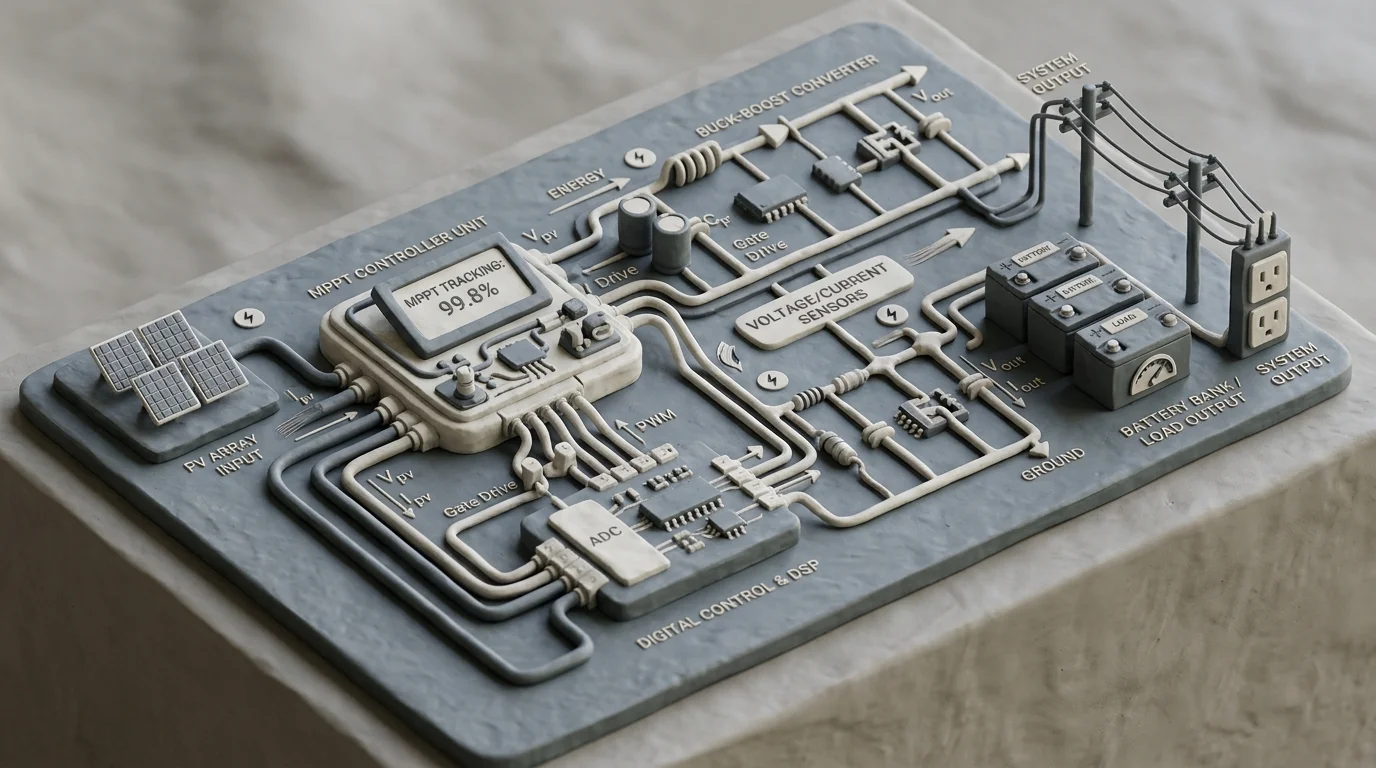
Each optimizer uses Maximum Power Point Tracking (MPPT) to adjust the panel voltage. If partial shade covers one panel, the optimizer prevents that single weak panel from lowering the production of the rest of the array. The conditioned DC power travels down to a central inverter, which converts the power into AC electricity for home appliances.
How Microinverters Work
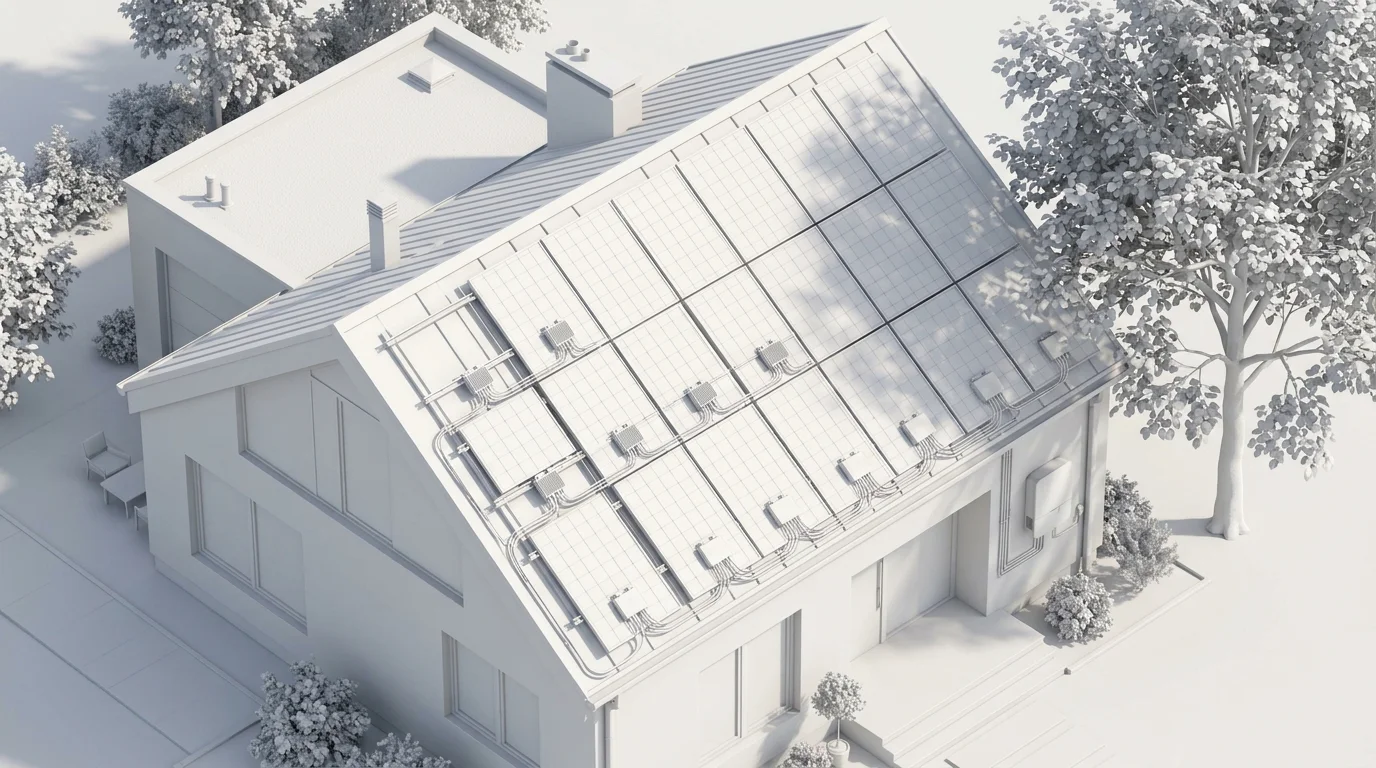
A microinverter performs both panel-level optimization and full DC-to-AC power conversion directly on the roof. One small inverter attaches behind each solar panel or pair of panels.
Because every panel operates as its own independent AC power generator, low production on one panel has zero effect on adjacent panels. Standard AC wiring runs from your roof directly to your main electrical panel. Microinverter systems eliminate high-voltage DC wiring on your home exterior, which simplifies installation safety and meets rapid shutdown safety codes.
DC Power Optimizers + Central Inverter
Optimizers condition panel DC voltage on the roof using high-efficiency buck-boost circuits. High-voltage DC power flows to a central inverter mounted near your electrical meter for AC conversion.
Microinverters
Microinverters convert DC to AC electricity directly on the roof behind each panel. Safe low-voltage AC wiring runs down your wall to your electrical breaker panel.
Technical Comparison: Optimizers vs. Microinverters
Choosing between power optimizers and microinverters depends on your home layout, battery storage goals, and long-term budget.
1. Shading and Panel Performance
Both technologies handle partial shading exceptionally well. If tree shade falls across two panels in a 12-panel system, the remaining 10 panels continue producing electricity at full capacity.
Power optimizers achieve up to 98.8% efficiency when conditioning DC power. Microinverters offer approximately 97% to 97.5% efficiency. However, microinverters eliminate the single central inverter failure point.
2. Battery Storage Compatibility
Power optimizers integrate seamlessly with DC-coupled solar batteries. In a DC-coupled system, solar energy charges the battery directly without converting back and forth between AC and DC. This preserves 3% to 5% more energy during battery charging.
Microinverters require AC-coupled battery storage. Solar AC power from the roof must be converted back to DC inside the battery charger, and then converted back to AC when powering your home. While AC coupling adds a small conversion loss, it allows easy retrofitting of batteries to existing solar setups.
3. Cost and Warranty Breakdown
Power optimizer systems generally cost 10% to 15% less upfront than microinverter systems. However, component lifespans differ:
- DC Power Optimizers: Roof optimizers carry a 25-year warranty, but the central string inverter usually carries a 12-year to 15-year warranty and requires replacement once during system lifetime.
- Microinverters: All roof components carry a full 25-year warranty with no central inverter to replace later.
Key Takeaway: Power optimizers offer lower initial installation costs and superior DC battery integration. Microinverters provide full redundancy and longer total system warranties without central inverter replacements.
Frequently Asked Questions
Both technologies isolate shaded panels effectively. Power optimizers adjust DC voltage so the central inverter runs at peak efficiency. Microinverters isolate each panel entirely as an AC generator. Both perform equally well in shaded environments.
Yes. Power optimizers only condition DC electricity on the roof. They must be paired with a compatible central string inverter to turn DC power into usable AC power for your home.
Microinverter systems are easier to expand. You can add one or two additional panels with microinverters without worrying about central inverter capacity. Adding panels to an optimizer system requires confirming that your central inverter has remaining DC input capacity.