The Future is Here: Perovskite Tandem Cells and Advanced Solar Tech in 2026
Explore the cutting edge of solar technology in 2026. Learn about the breakthrough efficiency of perovskite tandem cells, bifacial panels, and AI energy management.
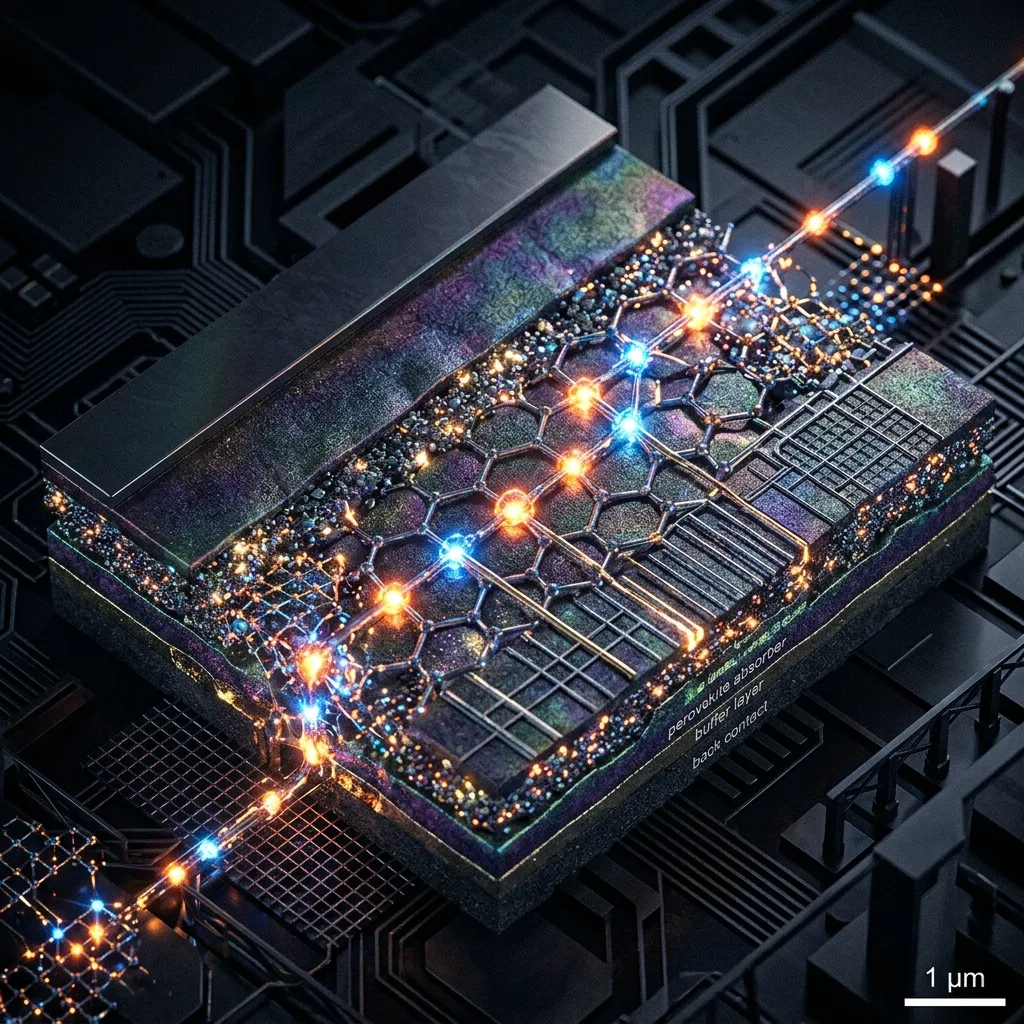
For the last three decades, standard silicon solar panels have dominated the renewable energy industry. While reliable and increasingly affordable, traditional silicon cells face a hard physical limit: they can only convert about 20% to 23% of the sunlight hitting them into usable electricity.
However, the solar energy landscape of 2026 is undergoing a rapid, revolutionary technological evolution. Driven by breakthroughs in material science and the integration of Artificial Intelligence, solar systems are shifting from simple, passive generators into highly efficient, active nodes within a decentralized smart grid.
Here is a look at the advanced solar technologies defining the future of energy, led by the breakthrough commercialization of perovskite tandem cells.
The Vanguard of Solar Technology
Perovskite Tandem Cells
Layers highly conductive perovskite on top of silicon to absorb a wider spectrum of light, pushing real-world efficiency to staggering new heights.
Bifacial Solar Panels
Captures direct sunlight from the front and reflected sunlight (albedo) from the back, maximizing energy yield within the exact same footprint.
AI Energy Management
Predicts generation based on weather and manages battery cycling against wholesale grid pricing to maximize financial returns.
Shifting from Passive to Active
Solar systems in 2026 are no longer just “dumb” panels wired to the wall; they have evolved into highly intelligent energy management ecosystems.
Solar + Storage as the Standard
Pairing solar arrays with Battery Energy Storage Systems (BESS) is no longer a luxury; it is the new baseline. Triggered by a massive 45% drop in battery costs in 2025, combined systems are now economically viable globally. This pairing provides total residential resilience during grid blackouts and allows commercial operations to stabilize their local grids.
Total IoT Integration
Modern solar systems are seamlessly interconnected with smart home devices, EV chargers, and high-draw smart appliances. This deep integration allows for a fully automated, decentralized energy experience—for example, your EV charger will automatically increase its draw specifically when your solar panels are producing excess power, ensuring your car is charged by the sun rather than the expensive local utility.