LFP vs. NMC Solar Batteries: Chemistry, Lifespan, and Cost Comparison
Compare LFP and NMC solar batteries. Learn how cell chemistry, cycle life, thermal safety, and cost per kWh determine the best energy storage for your home solar system.
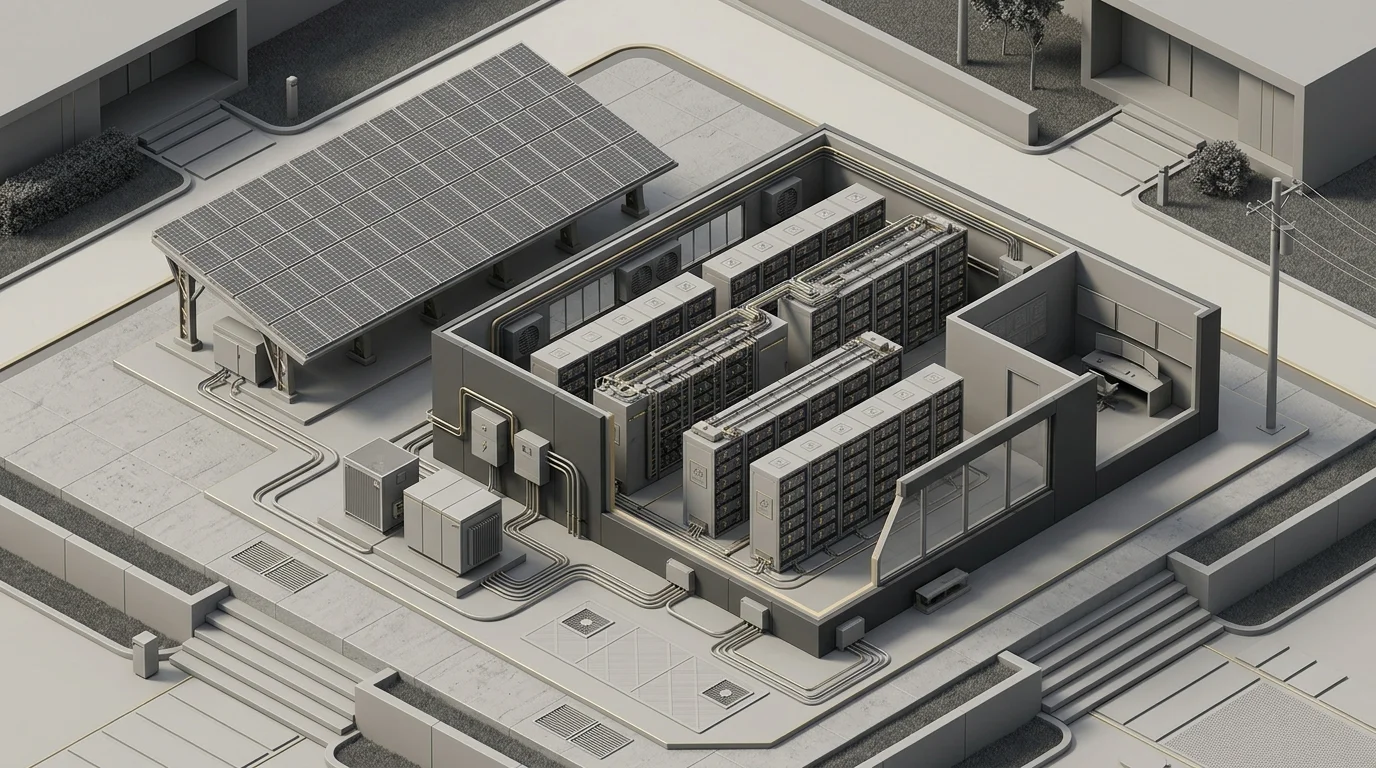
Choosing the right battery chemistry for home solar energy storage is one of the most important decisions for any homeowner or system installer. Today, two main lithium-ion chemistries power stationary solar batteries: Lithium Iron Phosphate (LiFePO4, or LFP) and Nickel Manganese Cobalt (NMC).
While both options store excess solar power generated during daytime hours, they perform differently in cycle life, thermal safety, operating temperatures, and long-term cost. Today, LFP accounts for more than 80 percent of all stationary energy storage deployments worldwide due to its superior durability and thermal stability.
In this guide, we will analyze the key differences between LFP and NMC solar batteries, compare their performance metrics, and help you select the ideal chemistry for your clean energy setup.
Understanding LFP and NMC Chemistry
At their core, both LFP and NMC are rechargeable lithium-ion batteries. However, the chemical compound used in the positive electrode (the cathode) creates significant operational differences.
LFP batteries use lithium iron phosphate ($LiFePO_4$) as the cathode material. Iron and phosphate form strong covalent bonds that hold oxygen tightly inside the crystal structure. This chemical bond makes LFP exceptionally resistant to heat, overcharging, and structural breakdown.
NMC batteries combine nickel, manganese, and cobalt oxide ($LiNiMnCoO_2$) for the cathode. The high energy density of nickel allows NMC batteries to pack more power into a smaller, lighter container, which makes NMC popular in electric vehicles. However, cobalt and nickel bonds release oxygen more easily at elevated temperatures, requiring tighter thermal management controls.
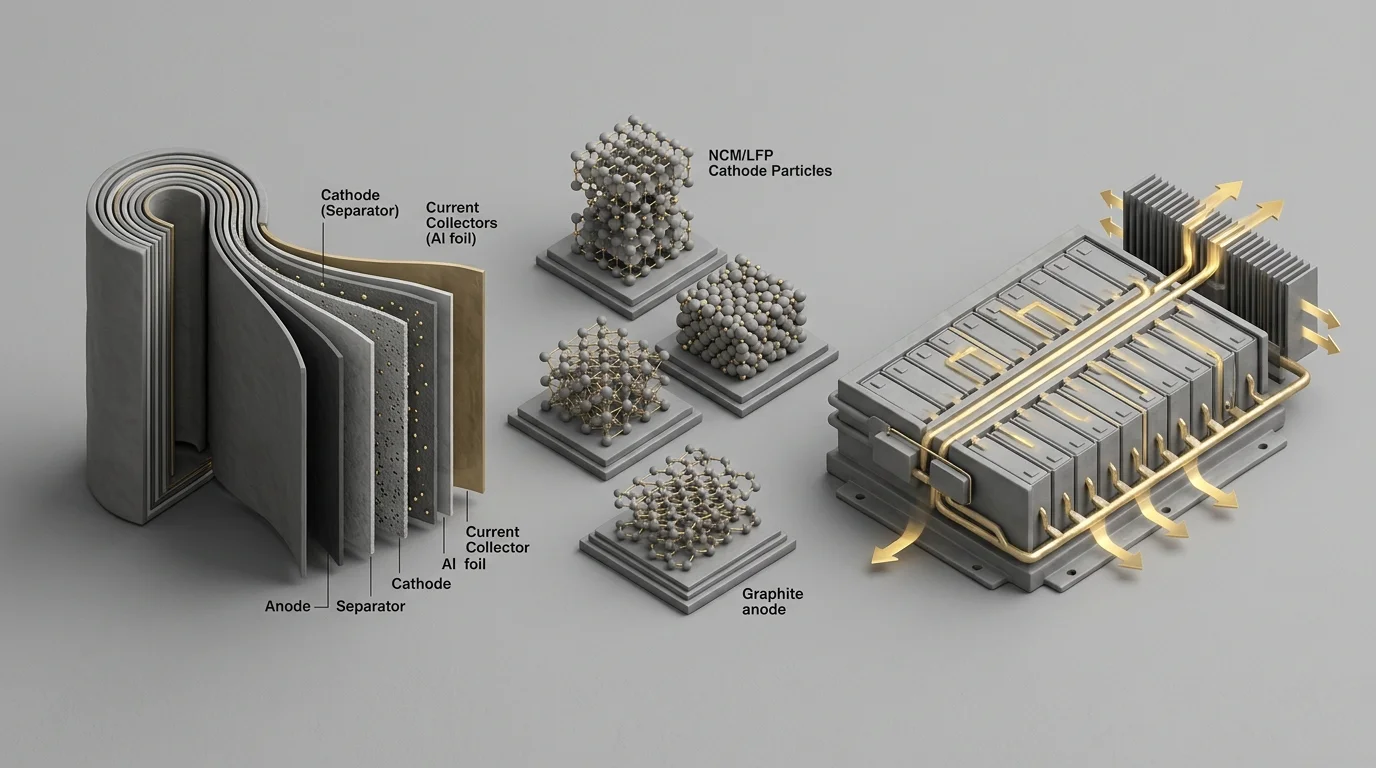
Key Chemistry Differences:
- Cathode Material: LFP uses non-toxic iron and phosphate, while NMC relies on nickel, manganese, and cobalt.
- Current Collectors: LFP cells use aluminum foil for both positive and negative electrodes, lowering production expenses.
- Supply Chain: LFP contains zero cobalt or nickel, avoiding volatile mineral markets and ethical mining concerns.
LFP vs. NMC Performance Comparison
When evaluating solar battery storage systems, five key specifications determine overall performance: cycle life, thermal runaway safety threshold, energy density, usable depth of discharge (DoD), and levelized cost of storage.
LFP (Lithium Iron Phosphate)
- Extended cycle lifespan lasting 15 to 20 years of daily use
- Thermal runaway threshold above 270°C (518°F) for maximum home safety
- Allows 90% to 100% depth of discharge without rapid capacity loss
- Lower levelized cost of storage ($104 to $180 per MWh)
- Cobalt-free chemistry with abundant raw materials
NMC (Nickel Manganese Cobalt)
- Higher gravimetric energy density (200 to 260 Wh/kg) in lighter packages
- Thermal runaway threshold around 210°C (410°F), requiring liquid cooling
- Typically limited to 80% recommended depth of discharge
- Higher levelized cost of storage ($130 to $210 per MWh)
- Relies on nickel and cobalt supply chains
Critical Advantages of LFP for Solar Energy Storage
For stationary residential and commercial energy storage, LFP holds several distinct engineering advantages over NMC:
Superior Thermal Stability and Home Safety
LFP chemistry is non-combustible and highly stable under extreme thermal conditions. Even under accidental overcharging or physical puncture, LFP cells do not release free oxygen, preventing runaway combustion fires. This makes LFP the preferred choice for indoor wall mounts and garage installations.
Double to Triple the Operational Lifespan
Daily solar storage subjects batteries to full daily charge and discharge cycles. LFP cells comfortably deliver 4,000 to 8,000 cycles before degrading to 80 percent original capacity. In contrast, NMC cells begin degrading significantly after 1,500 to 3,000 cycles, requiring full battery replacement years sooner.
Lower Lifetime Cost per Kilowatt-Hour
While initial equipment price tags may appear similar, LFP delivers a significantly lower Levelized Cost of Storage (LCOS). Because LFP lasts up to 20 years without replacement, the cost per delivered kilowatt-hour over the system lifecycle is up to 30 percent lower than NMC options.
Integrating Solar Batteries with Hybrid Inverters
Modern stationary batteries connect to home solar arrays via hybrid inverters that manage charging routines and grid feedback automatically.
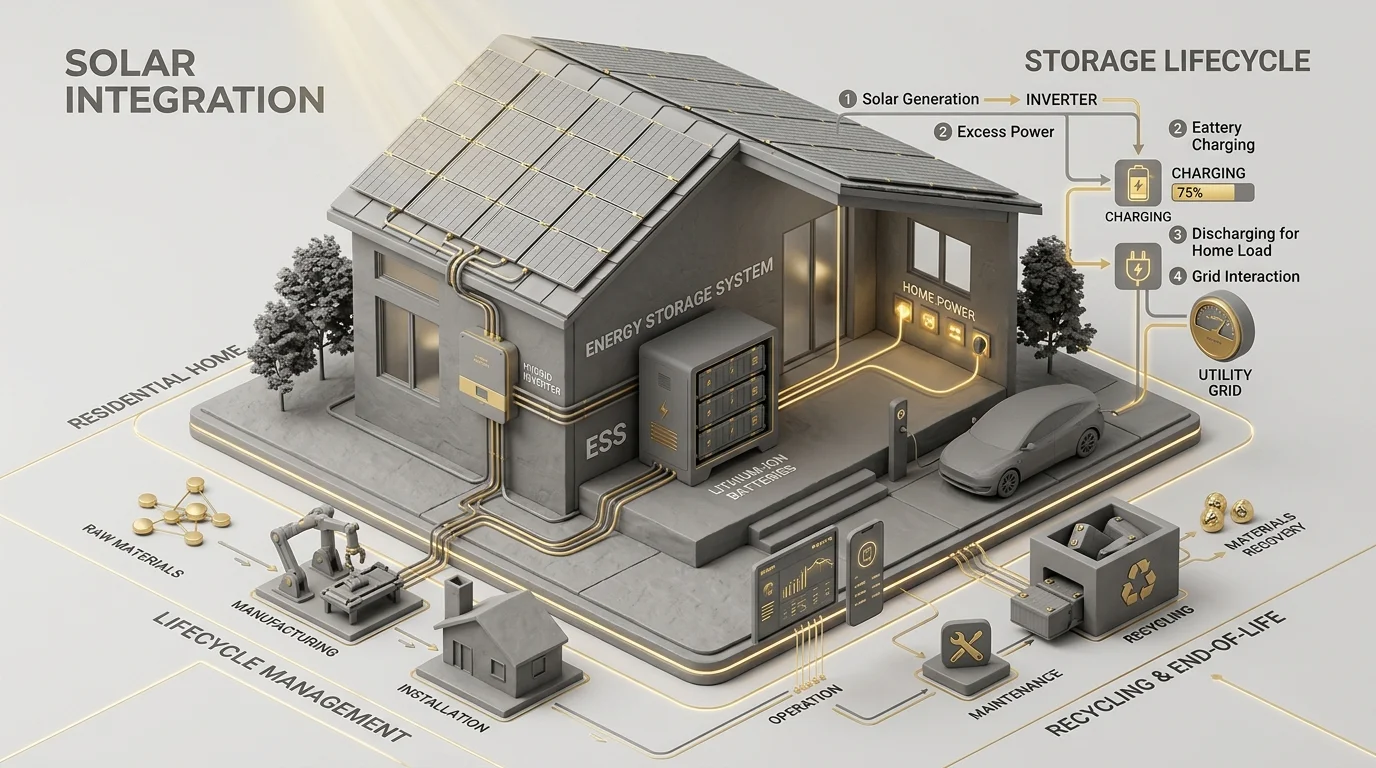
During peak daylight hours, rooftop panels power immediate household electrical loads while directing excess generation into the battery bank. In the evening, the system automatically discharges stored solar energy, eliminating expensive peak utility rates.
LFP battery banks feature high round-trip efficiency rates between 90 percent and 95 percent, ensuring minimal energy loss during the daily solar charge and discharge cycle.
How to Choose the Right Battery Chemistry
When selecting a battery storage system for your solar setup, keep the following guidelines in mind:
- Choose LFP if: You want maximum fire safety, a 15 to 20 year operational lifespan, daily deep discharging, and the lowest cost per stored kilowatt-hour over time.
- Choose NMC if: You have severe weight or space limitations where maximum energy density per square inch is mandatory.
For almost all stationary residential home systems, commercial solar projects, and off-grid installations, LFP is the clear industry favorite.
Frequently Asked Questions
Yes. LFP chemistry has a much higher thermal runaway temperature threshold above 270°C (518°F) and does not release oxygen during high heat, making it immune to thermal fires under normal operational conditions.
An LFP solar battery typically lasts 15 to 20 years when cycled daily, delivering between 4,000 and 8,000 full charge-discharge cycles before reaching 80 percent capacity.
Electric vehicles require lightweight batteries with high energy density so the vehicle can travel farther on a single charge. Home solar systems are stationary on walls or floors where battery weight is not critical, making long cycle life and thermal safety much more important.