Iron-Air Solar Batteries: Multi-Day Energy Storage for Clean Power
Learn how iron-air batteries enable 100-hour multi-day solar energy storage through reversible rusting at less than $20 per kilowatt-hour.
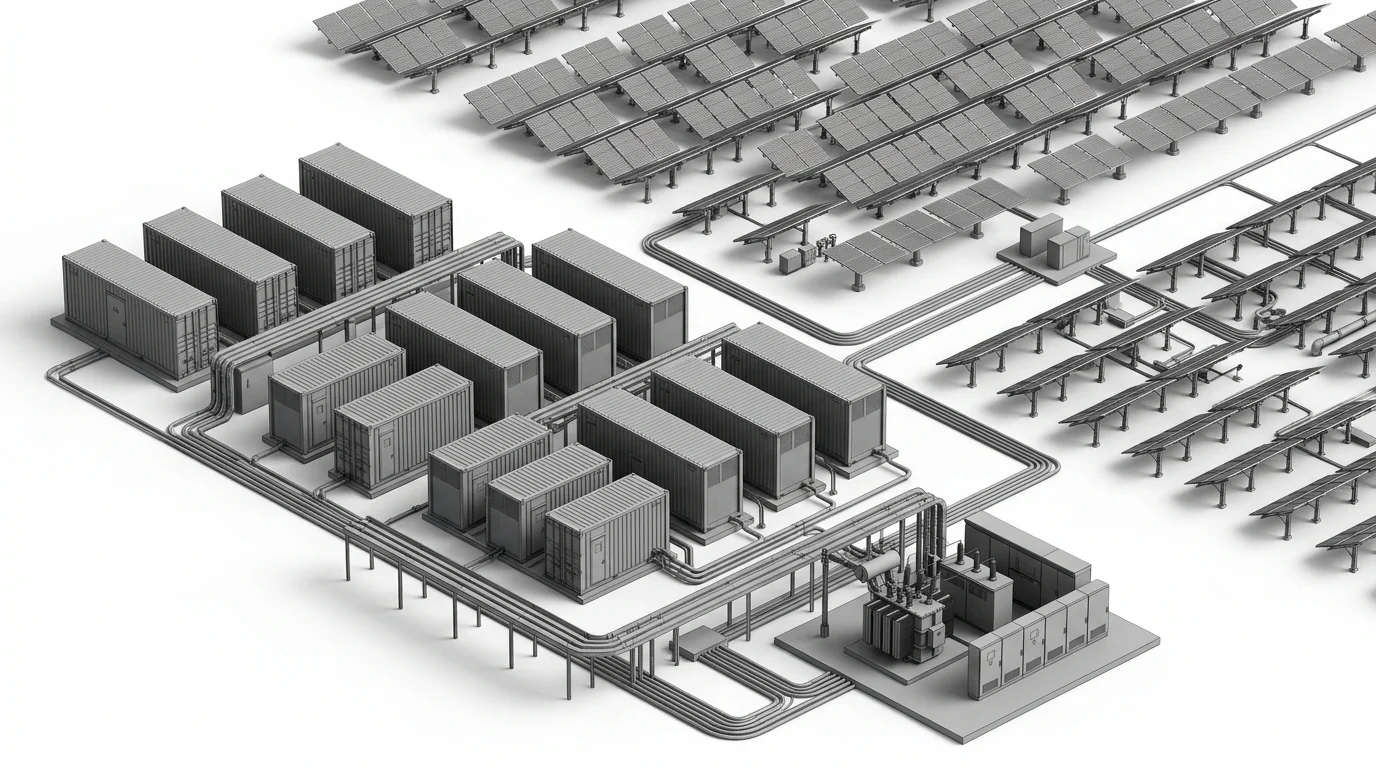
Solar panels are one of the cleanest ways to make electricity. On bright days, solar farms produce lots of extra power. But what happens when storm clouds block the sun for days?
In the energy world, this problem is called a renewable energy drought. Standard lithium-ion batteries are great for short runs. They give you power for two to four hours after sunset. But buying enough lithium batteries to run a town for four days costs way too much money.
This is where iron-air solar batteries shine. They use a simple chemical reaction called reversible rusting. With this system, an iron-air battery can store clean power and discharge it for up to 100 continuous hours. Even better, they cost less than one-tenth the price of lithium packs. This unlocks true 24/7 solar reliability.
How Reversible Rusting Stores Solar Electricity
The magic behind iron-air batteries is something you see every day: iron metal rusting in damp air. In nature, rust ruins old tools. But inside an iron-air cell, scientists turned rust into a clean, rechargeable tool.
Each cell holds small pellets made of iron. These pellets sit in a bath of non-toxic salt water. The battery also has breathing vents that take in and release air.
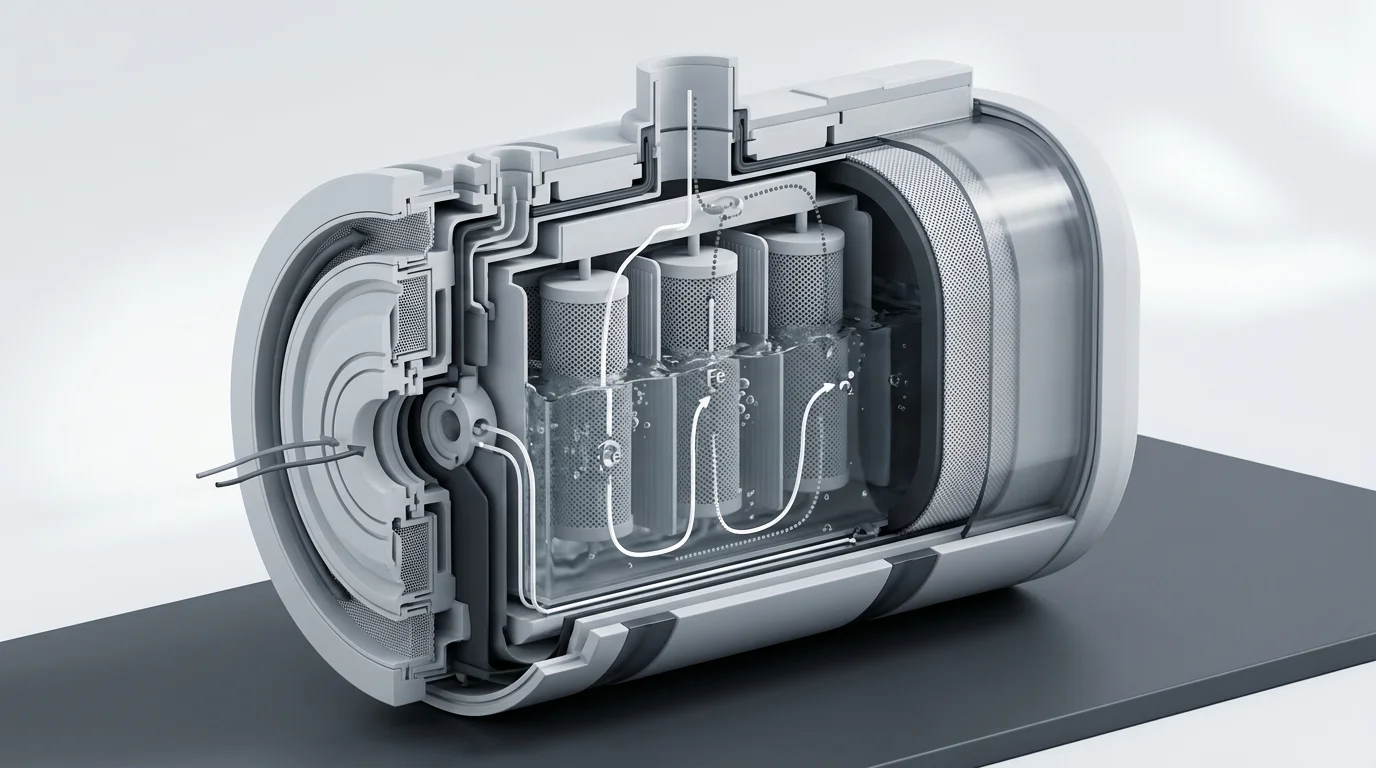
The cycle works in two simple steps:
- Discharging (The Rusting Phase): When the sun sets or bad storms roll in, the battery starts to work. It pulls oxygen from the air across the iron pellets. As the iron turns to rust, it releases electrons. Those electrons flow out through wires to power homes, hospitals, and data centers.
- Charging (The De-Rusting Phase): When the sun shines bright, solar panels make extra power. That current flows back into the battery. It pulls oxygen away from the rust. The rust turns back into pure iron pellets, and clean oxygen drifts back into the air.
Iron is one of the most common metals on Earth. Air is free. This keeps raw material costs very low.
Iron-Air vs. Lithium-Ion vs. Sodium-Ion
To see where iron-air batteries fit best, let us compare them to other popular battery types:
Iron-Air Batteries
- Target system cost below $20 per kWh (over 80% cheaper than lithium)
- Stores power for four straight days to beat long storms
- Water-based liquid stops all fire risk and chemical hazards
- Built for large power grids, cities, and big factories
Lithium-Ion (LFP)
- High round-trip efficiency of 85% to 92%
- Costs roughly $100 to $140 per kWh
- Light and compact, perfect for home walls and electric cars
- Costs too much for four or five days of continuous power
Sodium-Ion
- Target cell cost of $40 to $60 per kWh
- Made from common table salt materials rather than rare minerals
- Works great in cold weather down to -40 degrees
- Best for daily home and business peak power needs
Why Efficiency Works Differently for Multi-Day Storage
Critics note that iron-air systems return 40% to 50% of stored energy. Lithium batteries return 85% to 90%. This measure is called round-trip efficiency.
In electric cars or home wall units, high efficiency is key. Every kilowatt-hour matters. But for multi-day grid storage, the math looks very different.
On bright spring days, solar farms make more power than wires can carry. Grid operators often tell solar farms to shut off panels. This waste is called solar curtailment.
When extra daytime solar power is nearly free, losing some during charging is fine. Total cost matters far more. Buying 100 hours of lithium storage would cost too much money for any city. Iron-air storage costs less than $20 per kWh. It saves surplus daytime sunshine to keep the lights on for days.
Real-World Deployments and Commercial Milestones
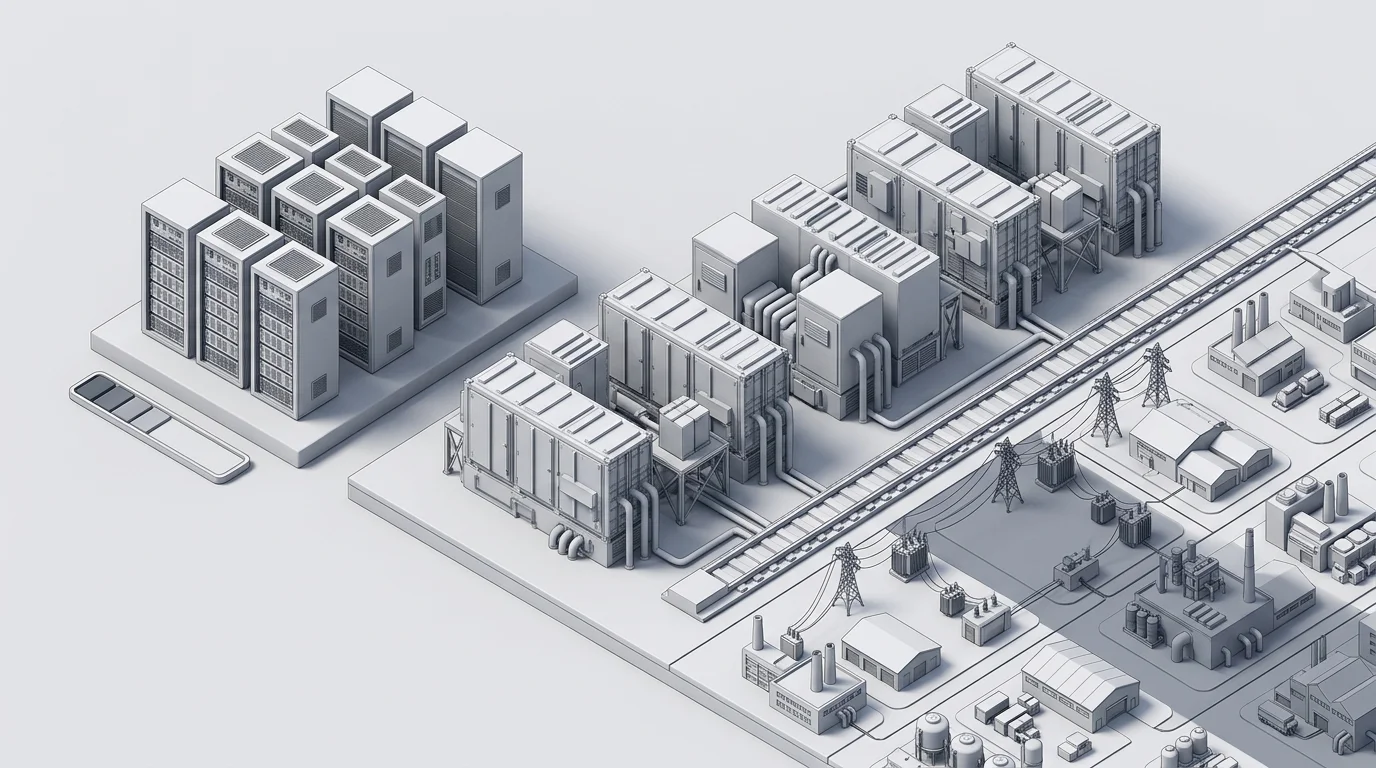
Iron-air systems are moving out of the lab and into the real world. Many major clean energy projects are already under way:
- Weirton Gigafactory: Clean tech maker Form Energy built a large factory in Weirton, West Virginia. The plant sits on 55 acres of an old steel mill. It builds iron-air battery units for power grids across the country.
- Xcel Energy Coal Plant Conversions: Utility giant Xcel Energy is building two large iron-air systems. They will sit at retiring coal plants in Minnesota and Colorado. Each system provides 100 hours of clean backup power.
- Google 30 GWh Data Center Power: Tech leader Google teamed up with clean power suppliers. They announced a massive multi-day battery plan. This ensures AI data centers can run day and night on carbon-free wind and solar power.
- Global Projects: FuturEnergy Ireland ordered a 100-hour iron-air system to balance ocean wind and solar parks. In Europe, team Ore Energy connected an iron-air system directly to the power grid at Delft University.
- UL9540A Fire Safety Pass: Commercial iron-air systems passed strict UL9540A fire tests. Because the cells use water and iron, they cannot catch fire or overheat.
How a Complete 24/7 Solar Grid Works
Iron-air batteries do not replace lithium batteries. Instead, they work as partners on the power grid:
Daytime Solar Capture
During peak daylight hours, solar farms make huge amounts of power. Fast lithium batteries charge first. Then, extra power routes to iron-air cells to start the de-rusting process.
Evening Peak Shaving
When the sun sets, power use jumps from cooking and lights. Lithium packs step up fast for two to four hours. They supply quick power through the busy evening hours.
Multi-Day Weather Defense
If storms or thick clouds linger for days, lithium packs empty out. Iron-air modules take over. They discharge clean power for up to 100 hours until the sun returns.
Frequently Asked Questions
No, iron-air batteries are made for large power grids and factories. Because iron is heavy, a home system would take up your whole yard and weigh several tons. For homes, lithium iron phosphate and sodium-ion batteries remain the best choices.
Yes, iron-air batteries are safe from fire. They use a water-based liquid that cannot burn. They do not overheat, catch fire, or release toxic fumes. This earned them top UL9540A fire safety marks.
Iron-air systems are built to last 20 years or more. Unlike car batteries that wear down after many fast charges, simple iron pellets and salt water stay strong for decades of steady use.
Lithium batteries use rare and costly minerals like lithium, cobalt, and nickel. In contrast, iron-air batteries use common iron ore pellets, normal air, and water. This keeps cell costs below $20 per kilowatt-hour.