Flexible Solar Panels: Cost, Efficiency, and Applications
Are flexible solar panels worth the investment? Learn about the cost per watt, efficiency, and best uses for RVs, boats, and curved roofs.
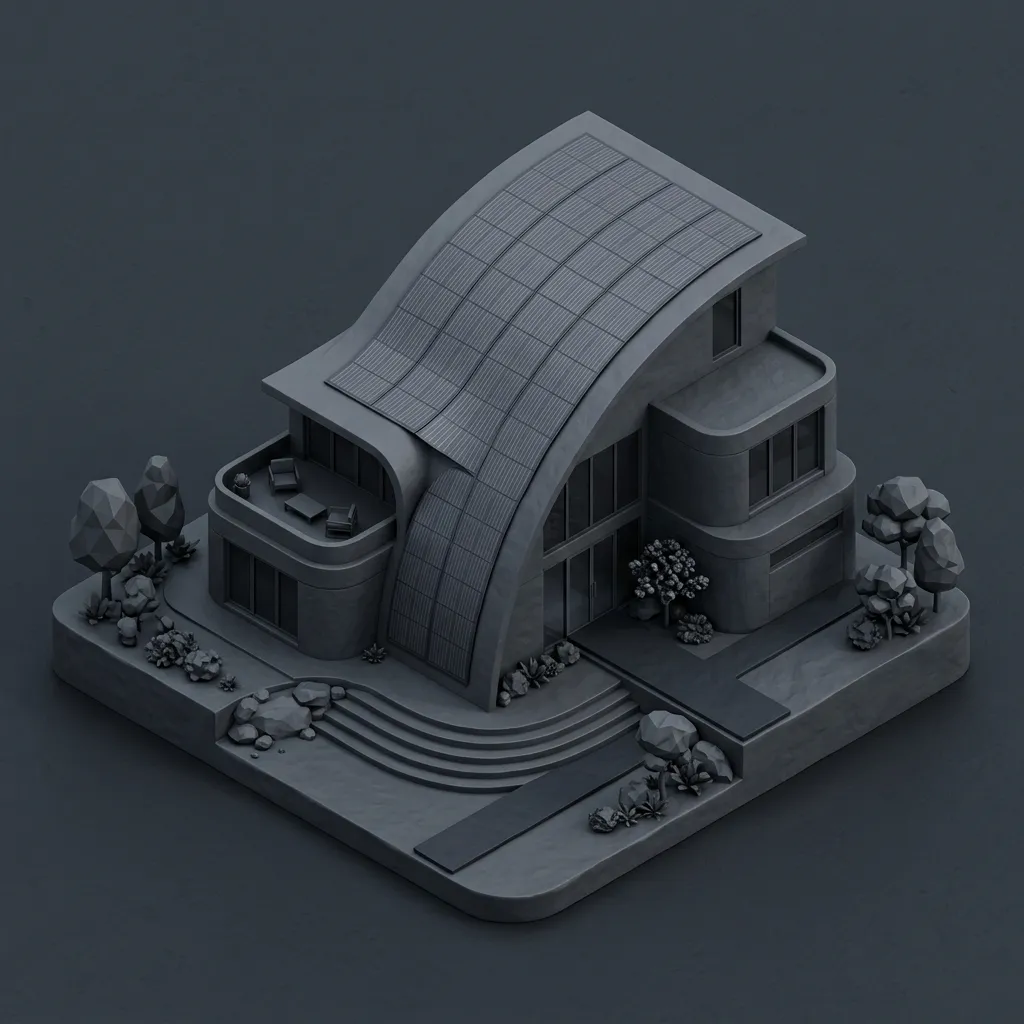
Solar panels are changing fast. Traditional panels are heavy, rigid, and made of glass. They work great on flat roofs. But they do not fit on curved surfaces. They are also too heavy for some structures.
Now, flexible solar panels offer a new choice. They are thin, lightweight, and bendable. You can mount them on curved roofs, vehicles, and boats. This guide explores the latest information on costs, efficiency, and how to use them.
Flexible solar panels conform to modern architecture. Instead of heavy glass, they use thin layers of protective plastic. This allows them to bend up to thirty degrees. It opens up new ways to generate clean power on surfaces that could never support traditional solar systems.
What is a Flexible Solar Panel?
The main difference is the design. Stiff panels are made with thick glass. Flexible panels are made with thin plastic or metal. This makes them very light and thin.
There are three main types of flexible solar panels:
- Monocrystalline Flexible Panels: These use thin silicon wafers. They are the most efficient flexible type. They share the same base technology as rigid panels. They provide high power in a light package.
- Polycrystalline Flexible Panels: These use multiple silicon fragments. They cost less but are less efficient. They are less common in modern solar systems.
- Thin-Film Panels: These are made by spreading active material on a surface. They are the most flexible type. They can roll up. But they are also the least efficient and wear out faster.
Cost and Efficiency Comparison
Flexible solar panels offer great advantages. But they have trade-offs. The main trade-offs are cost, efficiency, and how long they last.
Flexible Solar Panels
- Lightweight (about four to five pounds)
- Bends up to thirty degrees
- Higher initial cost per watt
- Expected lifespan of five to fifteen years
- Efficiency of ten to fifteen percent
Rigid Solar Panels
- Heavy weight (about thirty to fifty pounds)
- Completely flat and stiff design
- Lowest cost per watt on the market
- Expected lifespan of twenty-five to forty years
- Efficiency of twenty to twenty-three percent
Key Metric: Flexible solar panels cost about one dollar and fifty cents per watt. Traditional rigid panels cost about seventy-five cents per watt. This means flexible panels are twice as expensive for the same power output.
Main Uses for Flexible Panels
Because of their design, flexible panels are popular for specific uses:
Recreational Vehicles (RVs)
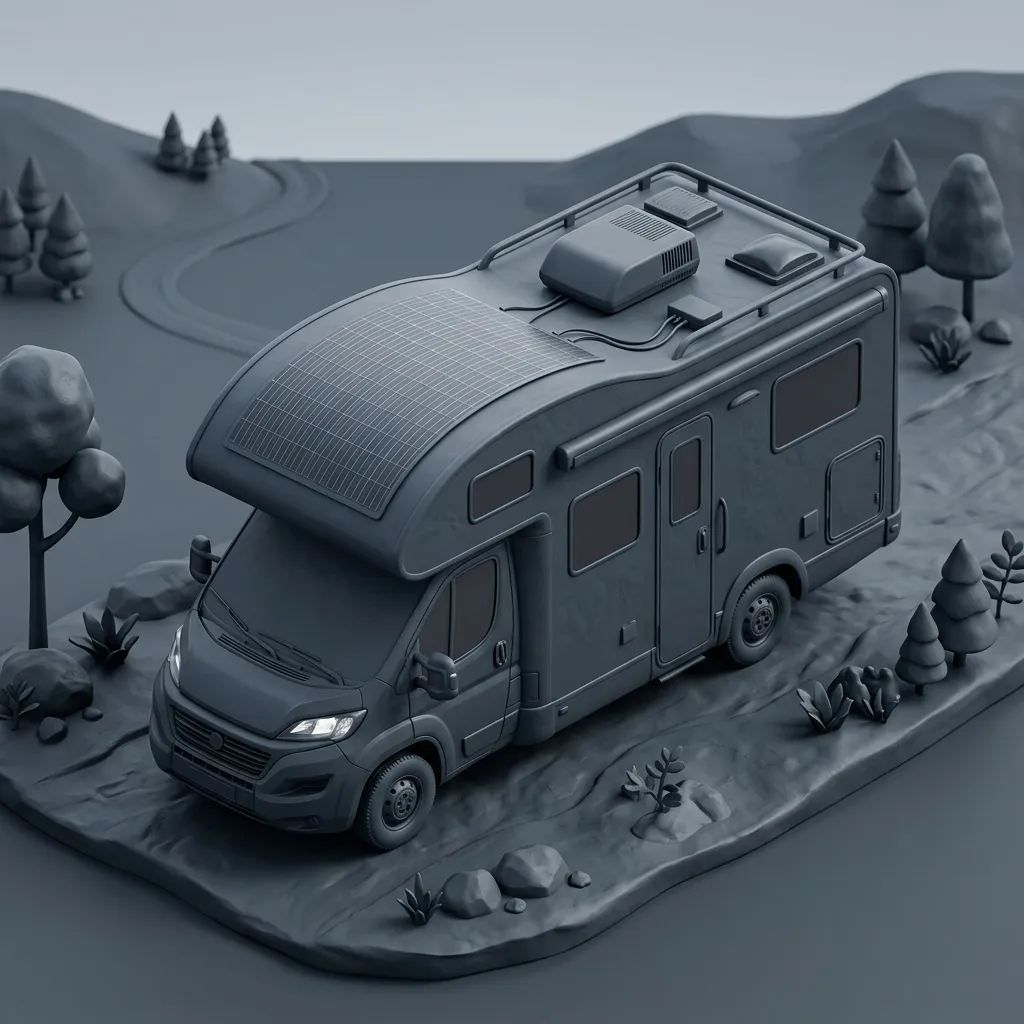
Most RV roofs are curved. Rigid panels need heavy brackets to sit flat. Flexible panels can glue directly to the roof. This keeps the low profile. It also keeps the vehicle lightweight and aerodynamic.
Marine Applications (Boats)
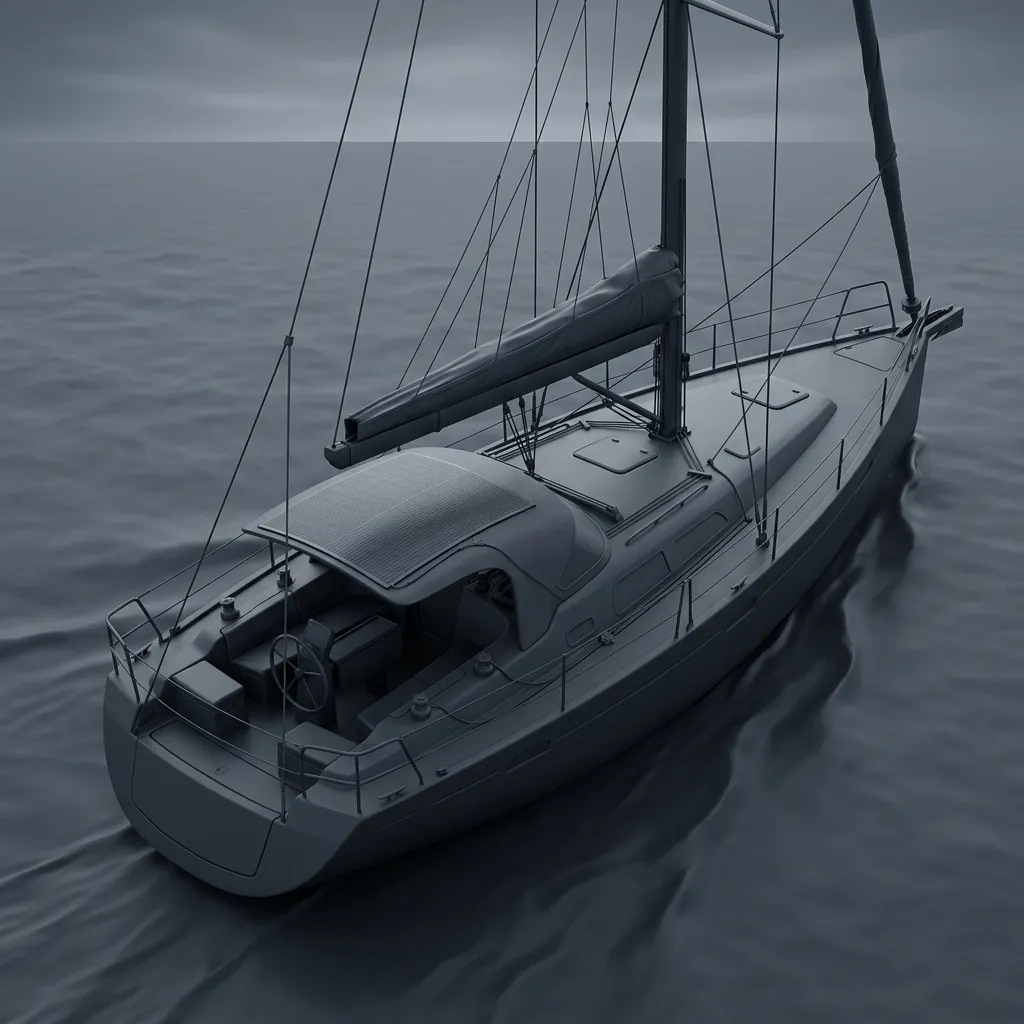
Sailboats and motorboats have curved decks. Traditional panels create tripping hazards. Flexible panels sit flat on the deck. Walkable models can handle light foot traffic. They are sealed against salt water.
Portable Power Kits
Many outdoor camping kits use flexible panels. You can fold them up. You can carry them in a backpack. They are easy to set up on a tent or on the ground.
Essential Installation Steps
Installing flexible panels is different from installing rigid panels. Here are the key steps for a successful setup:
- Clean the Surface: The mounting surface must be completely clean. Wipe away all dirt, grease, and moisture.
- Apply Adhesive: Use high-quality double-sided tape or marine adhesive. Some panels have peel-and-stick backing.
- Ensure a Small Air Gap: Flexible panels get hot when stuck flat to a roof. High heat reduces solar efficiency. Use small spacers or corrugated plastic backing to allow some airflow underneath.
- Follow Regulatory Codes: Make sure you follow electrical standards. In the United States, follow the latest National Electrical Code (NEC) rules. These rules require safe conductor lengths and proper labeling.
Frequently Asked Questions
Only if the manufacturer says so. Walkable flexible panels have a special outer coating. But standard flexible panels can crack. Walking on them can damage the tiny silicon connections inside.
The main reason is heat and bending stress. When stuck flat, they cannot cool down. This high heat degrades the solar cells. Also, bending them too much during install can break the internal wires.
Yes. Like all solar panels, they need light, not heat. They will produce less power on cloudy days. But they will continue to charge your batteries.