BIPV Modules: The Complete Guide to Building-Integrated Photovoltaics
Discover how BIPV modules turn roofs, windows, and walls into solar generators. Learn about costs, efficiency, and architectural integration.
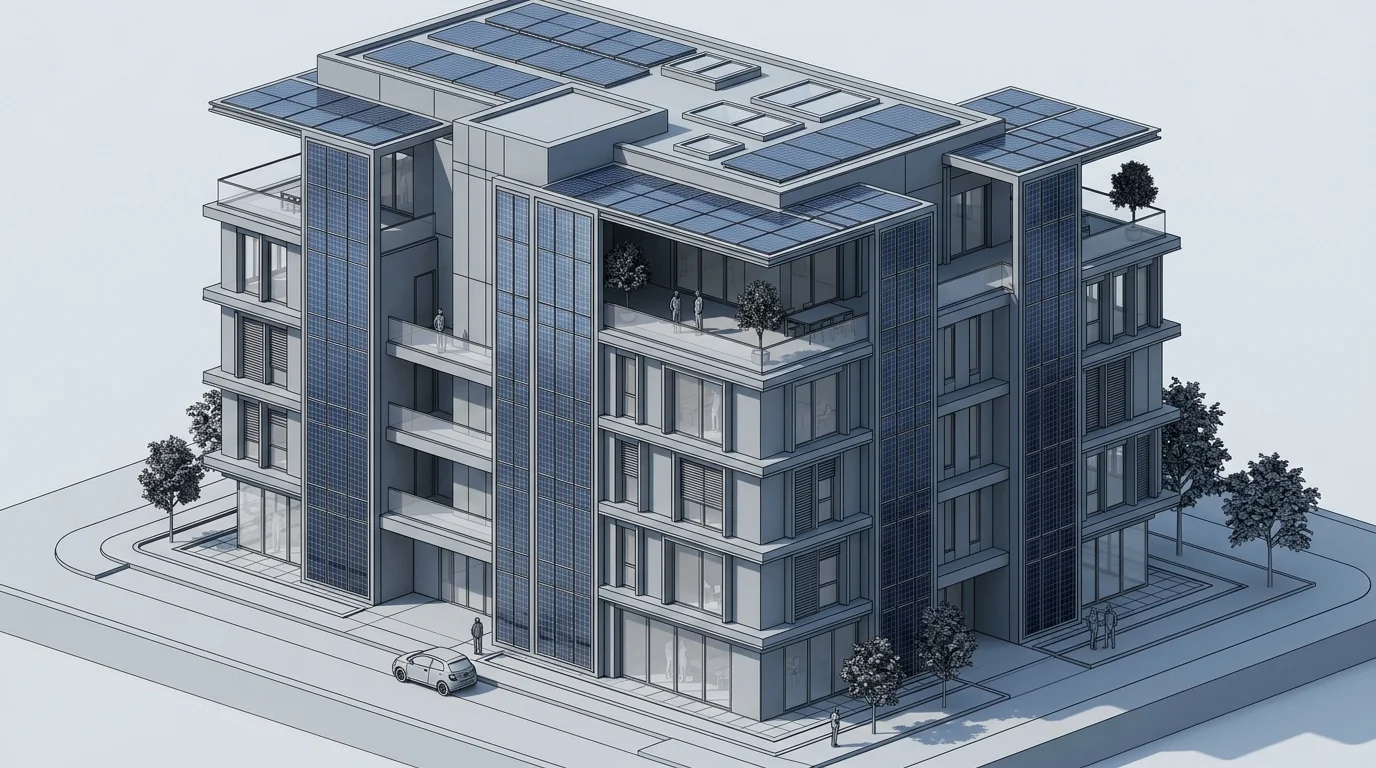
Traditional solar panels sit on top of a building. They are held up by metal racks on the roof. While they produce clean energy, they are very visible and can change how a house looks.
Building-Integrated Photovoltaics, or BIPV modules, offer a new way. These special solar parts do two jobs at once. They act as regular building materials, like roofs, walls, or windows. At the same time, they generate clean electricity. This allows homes and offices to create power without needing traditional, bulky solar panels.
In this guide, we will explore what BIPV modules are. We will cover the main types, how they compare to traditional solar setups, and how they help builders create zero-energy buildings.
The Three Main Types of BIPV Modules
Instead of placing panels on a finished roof, builders use BIPV modules as the building block of the structure itself. Here are the three most common ways to use them:
Roofing Integration
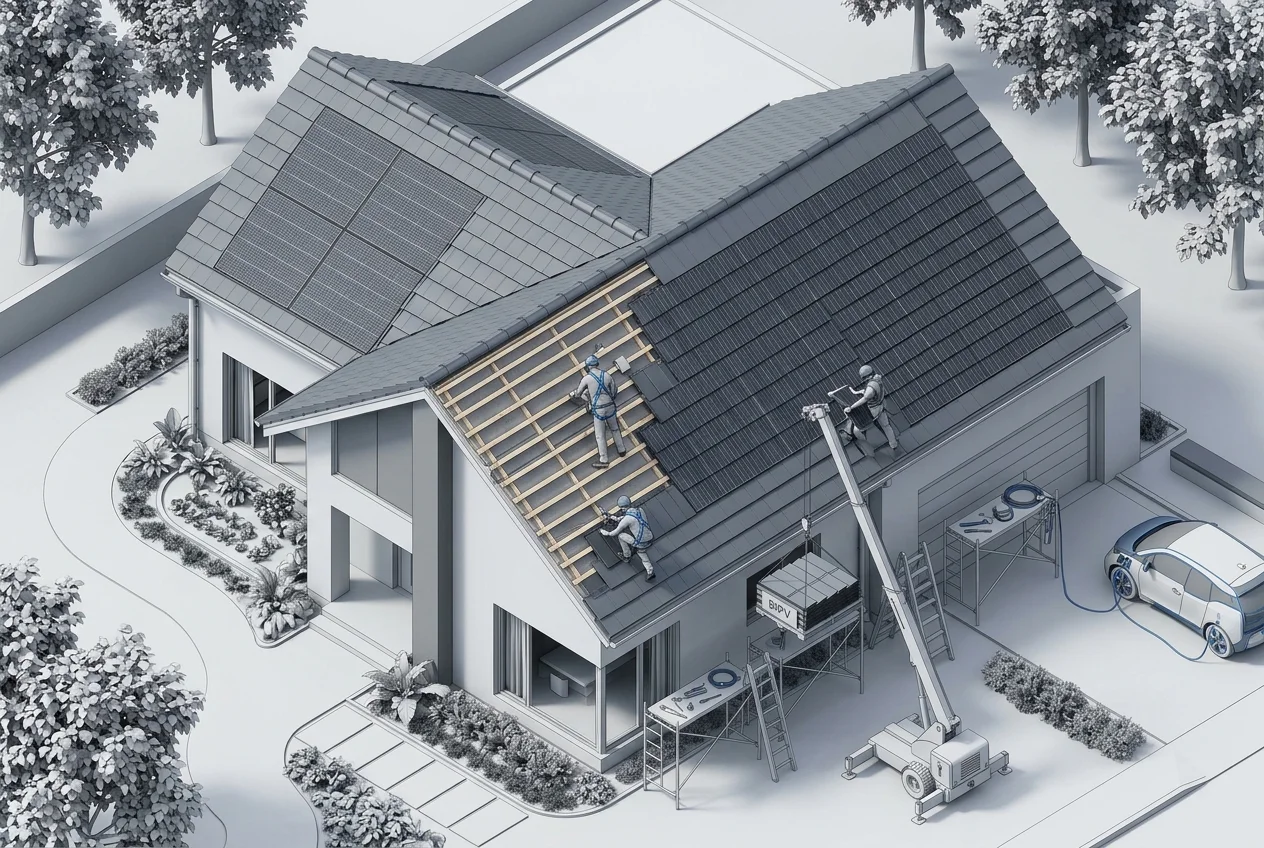
Solar shingles and tiles replace standard roof materials. They fit together like regular tiles to protect the building from rain and weather while generating clean power.
Facade Cladding
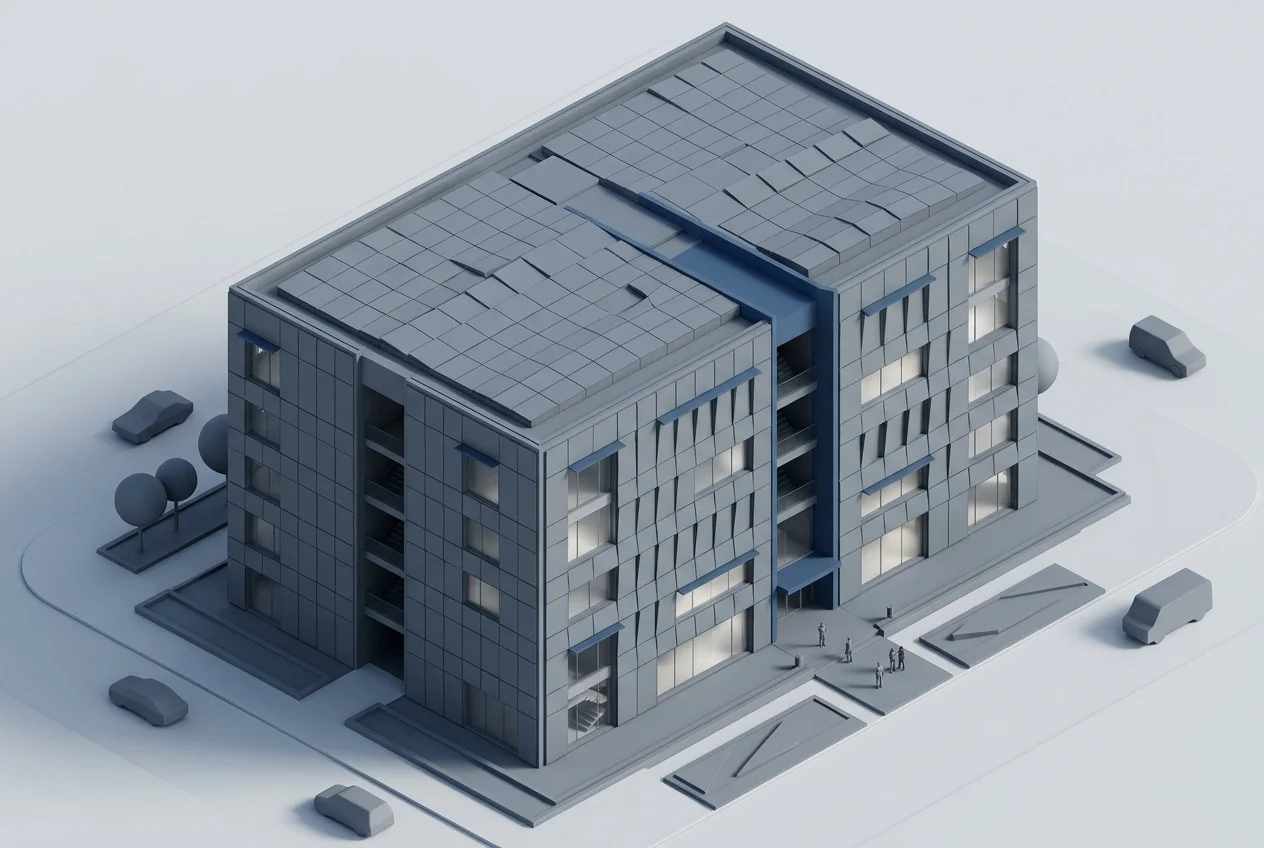
Solar cladding panels are mounted to the outside walls. This is ideal for tall buildings that have a lot of wall surface area but very little roof space.
Solar Glazing
Thin-film solar cells are layered inside window glass. This lets visible light pass through so people can see outside, but absorbs invisible ultraviolet and infrared light to make power.
BIPV Modules vs. Traditional Solar Panels
Choosing between BIPV modules and traditional solar systems depends on your budget, roof shape, and design goals. Here is a side-by-side comparison to help you understand the differences:
BIPV Modules
- Dual-purpose material (acts as roof or wall and generator)
- Seamless, premium look that blends with architecture
- High initial installation cost
- Saves money on standard roof shingles or facade cladding
Traditional Panels
- Single-purpose equipment (installed on top of roof)
- Opaque black or blue panels that stand out
- Low initial installation cost
- Requires standard shingles or tiles underneath
The Real Cost and Savings of BIPV
It is true that BIPV modules cost more upfront than standard solar panels. For example, a solar shingle roof can cost twice as much as a regular solar panel system. However, the true math is different when you build a new house or replace an old roof.
When you install BIPV roofing, you do not need to buy traditional asphalt shingles. The solar tiles act as the shingles. This saves you money on building materials and labor. When you subtract the cost of standard roofing materials, the price premium for solar becomes much smaller.
Additionally, BIPV modules increase the value of your property. Buyers are willing to pay more for homes with built-in clean energy systems that look sleek and modern.
Designing the Future of Green Buildings
Integrating BIPV modules into a new design requires collaboration between architects, engineers, and solar experts. The orientation of the building is key. For example, BIPV facade cladding works best on south-facing walls in the northern hemisphere. These walls receive direct sunlight during the middle of the day.
For commercial skyscrapers, vertical facades are a major opportunity. While a tall building has very little roof space, it has thousands of square feet of wall space. By wrapping the facade in BIPV cladding panels, a building can generate electricity all day long.
Yes. BIPV modules are designed to meet the same strict standards as standard roofing and facade materials. They can withstand high winds, heavy snow, and hail. Most manufacturers offer a twenty-five-year warranty.
It is possible, but it is usually not cost-effective. Retrofitting works best during a major renovation, such as replacing an entire roof or updating a building facade. For simple upgrades, traditional panels are cheaper.
Yes. BIPV modules use advanced thin-film or crystalline silicon technologies. They can capture diffuse sunlight on overcast days, though they will produce less power than on sunny days.