Bifacial Solar Panels: Double-Sided Tech Capturing Reflected Sunlight
Bifacial solar panels produce electricity from both sides by capturing direct sunlight and ground reflections. Learn how they work, actual efficiency gains, and when they are worth the cost.
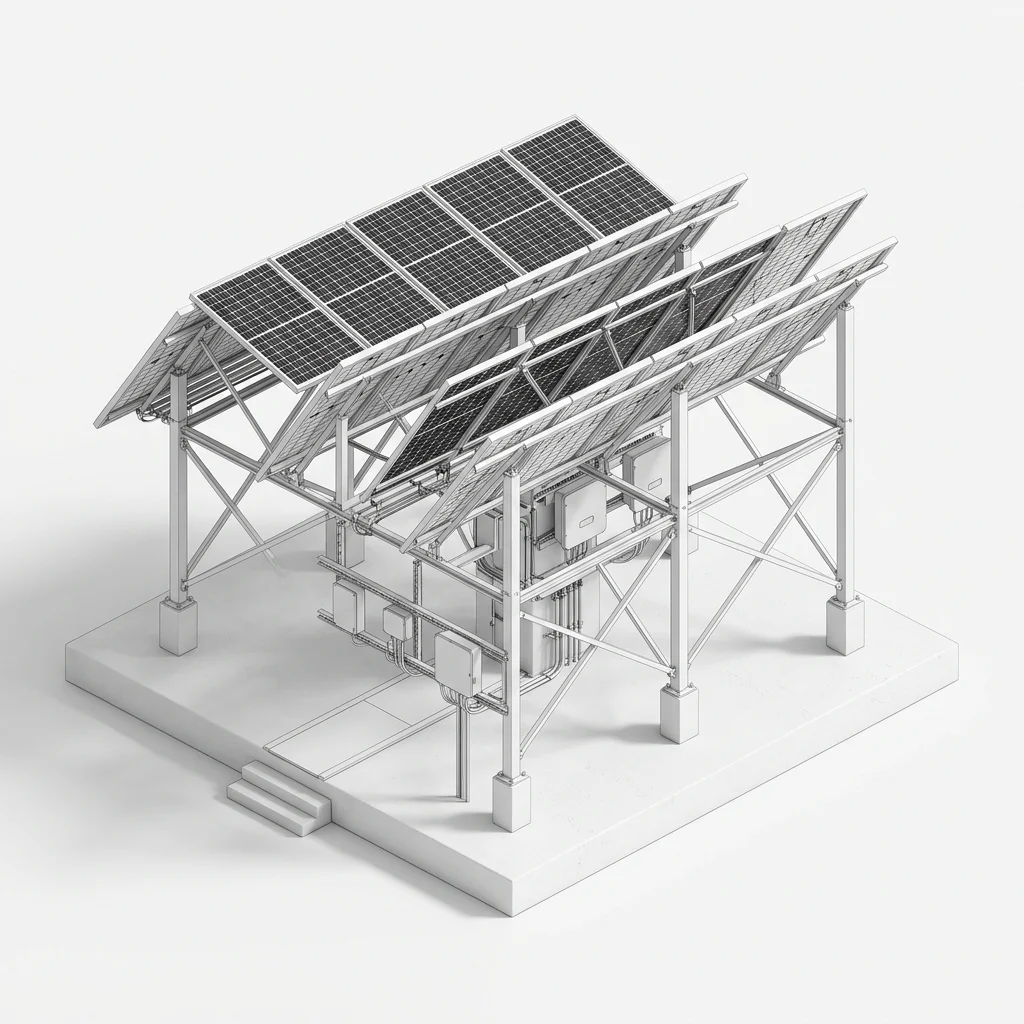
Solar energy is simple: panels capture sunlight and turn it into power. But standard panels have a major limit. They only capture light from one side. The other side is dark, covered by a black or white backsheet. Any sunlight that bounces off the ground is lost.
Bifacial solar panels solve this problem. These double-sided panels capture sunlight on both front and back surfaces. This technology lets them collect direct light from the sky, as well as reflected light from the ground.
By utilizing light that would otherwise go to waste, bifacial systems generate more electricity without taking up any extra space.
Here is a look at how double-sided solar works, where it performs best, and what to expect in terms of cost and returns.
How Ground Reflections (Albedo) Shape Your Yield
Bifacial panels do not just rely on the sky. Their rear-side performance depends heavily on the surface beneath them. The ability of a surface to reflect light is called albedo.
A highly reflective surface bounces more light back to the underside of the panel. This directly increases the extra energy you get from the rear side.
White Roof Membrane
Bright Sand or Gravel
Standard Dark Shingles
How Double-Sided Solar Panels Capture Light
Standard solar panels are monofacial. They have a protective layer on the back that is completely dark. Bifacial panels replace this backing with clear glass or transparent plastic. This allows light to pass through the panel or enter the solar cells from behind.
Both sides of the panel are active. The front side performs the primary job, converting direct sunlight into electricity. The back side acts like a net, catching the light that bounces off surrounding surfaces.
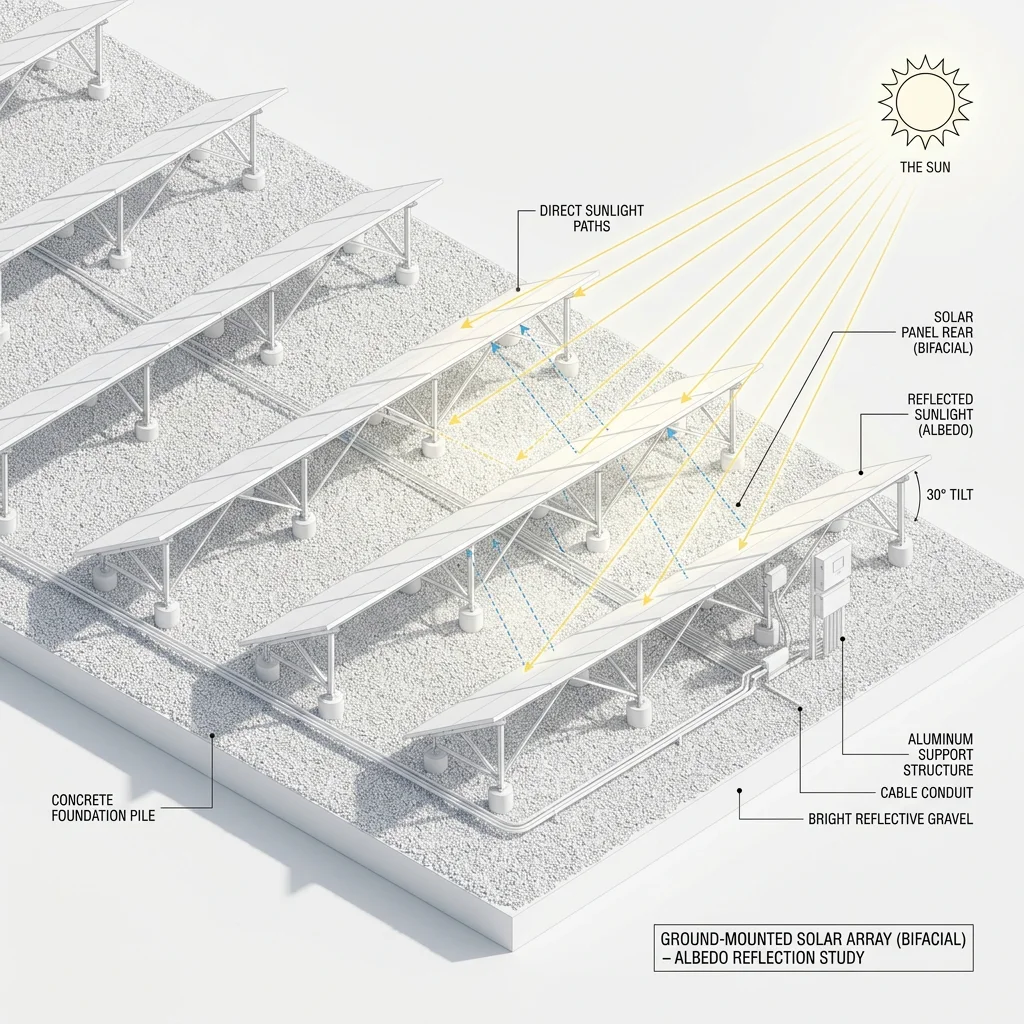
To get the most out of this setup, correct installation is key.
- Clearance height: Panels must be raised off the ground. If they are too low, reflected light cannot spread out and reach the back cells.
- Row spacing: Wide rows prevent panels from casting shadows on the ground where light needs to bounce.
- Open mounting racks: The metal frames holding the panels must not block the back of the modules.
Inverter and Battery System Design
Bifacial panels can introduce unique electrical challenges due to their variable power output. On exceptionally bright days, or when snow covers the ground, the back side of the panel can perform at its peak. This can cause the total system output to spike above the front-side rating.
Because of this peak variability, your inverter and battery storage must be designed with extra capacity.
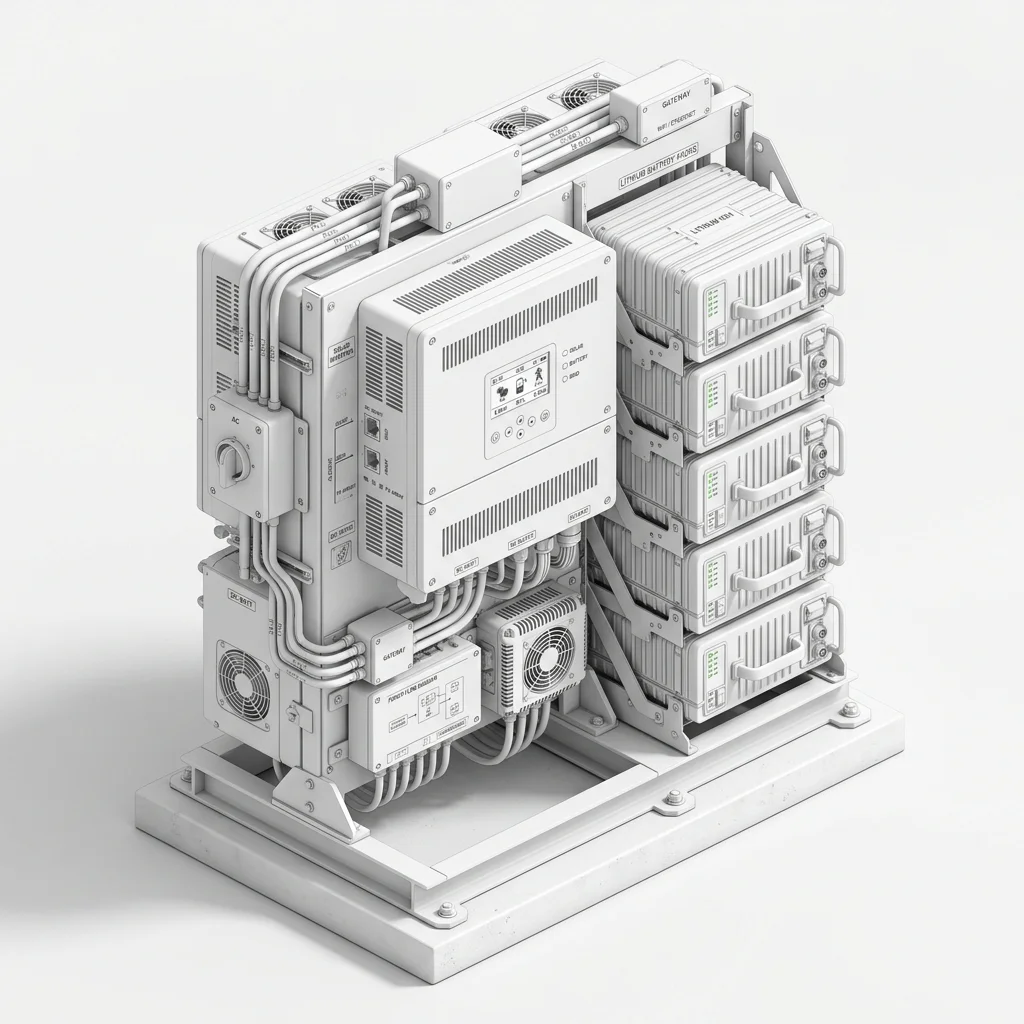
If your inverter is sized too small, it will limit or clip the excess energy. This means you will miss out on the bonus power your panels are trying to produce. Modern system designers use smart inverters with dynamic clipping protection to handle these high-reflection moments safely.
Sizing Up the Costs: Monofacial vs. Bifacial
Double-sided technology is highly efficient, but it carries a price premium. Fortunately, the cost gap between standard panels and bifacial options has closed significantly in recent years.
- Monofacial panels: Standard monocrystalline panels cost around $0.25 to $0.30 per watt for the module itself.
- Bifacial panels: Double-sided panels cost around $0.35 to $0.40 per watt for the module itself.
While the panels themselves are only slightly more expensive, you must also consider the racking and installation. Elevated mounts and specialized racking designed not to block the back of the panels can add $0.05 to $0.15 per watt to the total system cost.
For a standard 10-kilowatt system, the price difference for the equipment alone is modest. If your property has highly reflective ground or white roofs, the 10% to 20% annual energy boost will easily pay off the extra investment in a few years.
Is Double-Sided Solar Right for Your Home?
For standard sloped roofs with dark asphalt shingles, bifacial panels are rarely worth the investment. The panels sit too close to the roof, meaning almost no light can slip behind them. Additionally, dark shingles absorb light instead of reflecting it.
However, double-sided panels are an excellent choice for:
- Flat roofs with white membranes: These bright surfaces offer superb reflection.
- Ground mounts: Elevated arrays on gravel, sand, or concrete can maximize the albedo effect.
- Carports and pergolas: Transparent backing allows a pleasant filtered light to pass through, creating an attractive look while generating power from both sides.
Yes. In fact, bifacial panels often outperform standard panels on overcast days. Clouds scatter sunlight in all directions. This scattered light is called diffuse light. Because bifacial panels have active rear cells, they are much better at capturing this ambient, scattered light from all angles.
Bifacial panels are exceptionally durable. Most use a glass-on-glass design, meaning they have tempered glass on both the front and back instead of a plastic backsheet. This glass structure makes them highly resistant to wind, moisture, and heat degradation. They typically carry warranties of 30 years, compared to the standard 25 years for monofacial panels.
Albedo is a measure of how much light a surface reflects. It is represented as a percentage. For example, fresh snow has an albedo of up to 90%, reflecting nearly all light. Green grass has an albedo of about 25%, while dark soil is around 10%. The brighter the surface under your panels, the higher the albedo, and the more electricity your system will generate from the back side.
You do not need a completely different type of inverter, but you do need to size it correctly. Your system installer must account for the rear-side gain when choosing the inverter size. If the inverter capacity is too small, it will clip the excess power generated on high-reflection days, wasting your bonus energy.