Do Solar Panels Increase Home Value? 2026 Data & ROI
Do solar panels increase your property value? We analyze the latest 2026 real estate data, state-specific resale premiums, and tax implications.

When you invest in solar panels, your main goal is usually to lower your monthly electricity bills. However, because solar installations are a major home improvement, many homeowners ask a crucial question before buying: Do solar panels increase my home’s resale value?
The short answer is absolutely yes. For most homeowners, putting solar panels on the roof increases the market value of the house. In fact, clean energy upgrades have become highly attractive to modern home buyers who want to reduce their living costs and carbon footprint.
In this guide, we break down the latest 2026 real estate data, compare the value difference between solar and non-solar homes, look at state-specific premiums, and explore the key factors that decide exactly how much value solar adds to your property.
The Resale Value of Homes with Solar Panels
Recent market studies show a clear trend: the resale value of homes with solar panels includes a noticeable premium over identical houses without them.
According to the latest solar home value reports, homes with solar installations sell for an average of 6.9 percent more than non-solar homes. This is a significant increase from older real estate studies, which found only a 4.1 percent premium.
With the current median home price in the United States hovering around $416,900, a 6.9 percent increase adds nearly $29,000 in extra value to a home sale.
Let us look at how the baseline market values compare:
Appreciation Comparison
See how a home's estimated resale value changes with a solar installation.
Standard Home
A typical home with standard utility grid connection. The owner pays full market rates for monthly electricity.
Solar-Powered Home
A home with owned solar panels. The property sells for more because the buyer gets immediate utility bill savings.
State-by-State: Do Solar Panels Increase Home Value Everywhere?
The 6.9% national average is a great benchmark, but real estate is local. Buyers are willing to pay more for a solar-powered home in regions where electricity rates are painfully high or where the state offers strong net-metering laws.
Here is how the solar resale premium looks across several key states:
- California (5.4% - 6% Premium): Even with the transition to NEM 3.0, California buyers still pay a high premium for homes with solar, especially if a battery system is included.
- Texas (4.5% - 5% Premium): Texas buyers heavily value energy independence due to grid instability. Homes with solar and battery backups see faster closing times and solid value bumps.
- New York & Massachusetts (7% - 9% Premium): High electricity costs make solar extremely valuable here. Buyers eagerly pay more to lock in lower utility costs.
- Michigan (4.2% Premium): Despite having harsher winters and less overall sun, Michigan homeowners still see a healthy 4.2% premium when selling a home with solar.
- Florida (5% - 6% Premium): The Sunshine State sees strong solar appreciation, driven by air conditioning demands and a robust housing market.
Key Factors in Solar Valuation
Not all solar homes gain the exact same amount of value. Several important factors, such as your geographical location, the size of your solar array, and the current condition of your electrical equipment, will determine your final appraisal value.
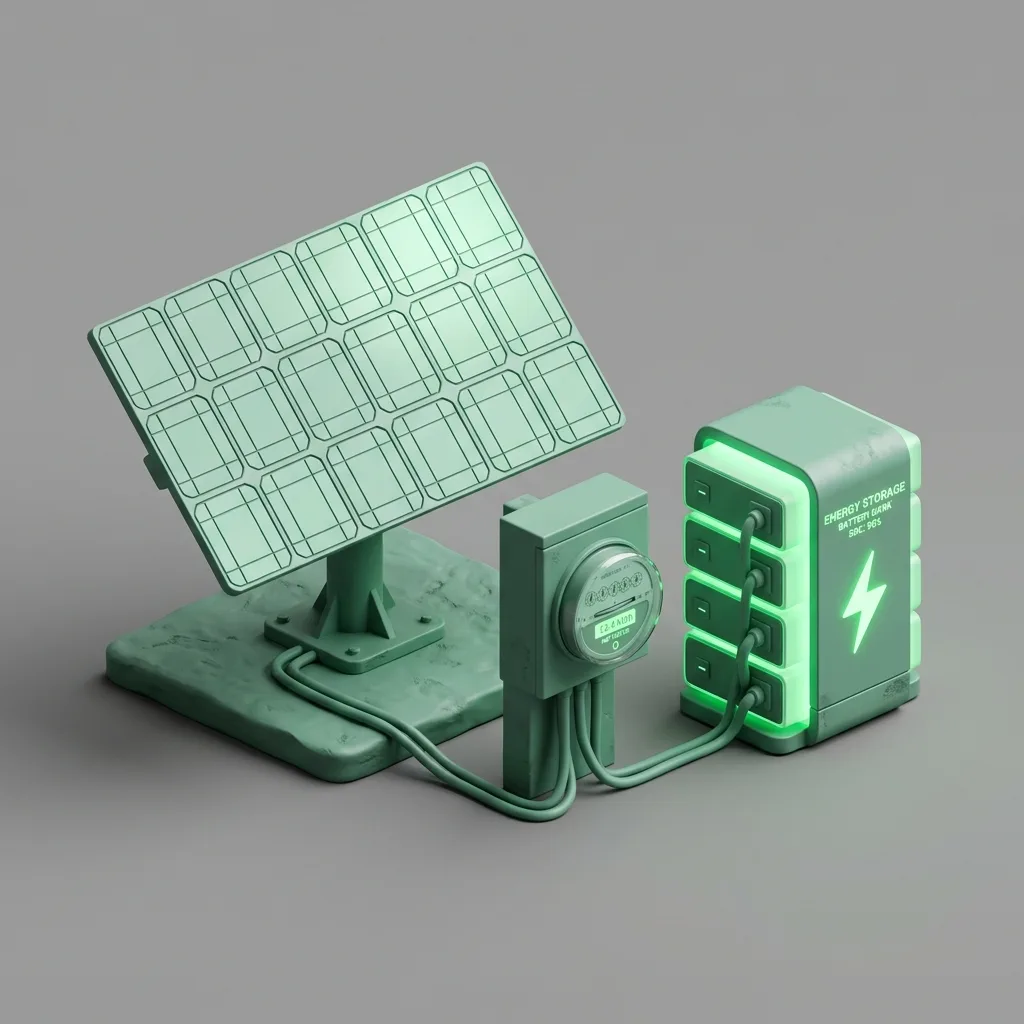
What Determines How Much Value Solar Adds?
When a real estate appraiser looks at a house with solar panels, they evaluate the system based on five major criteria:
- System Size and Power Output: A larger solar energy system generates more kilowatt-hours of clean electricity. Since a larger system results in bigger monthly utility savings, it generally adds more to the property value than a small system.
- Equipment Age and Condition: Solar panels are designed to last for twenty-five to thirty years. If your panels are only five years old and under a strong warranty, they will add high value. If the system is twenty years old and nearing the end of its life, it will add very little value.
- Local Electricity Rates: Solar panels are most valuable in areas where utility prices are high.
- System Ownership: Whether you own the solar system or lease it from a solar company makes a massive difference at the time of sale.
The Property Tax Question
If solar panels increase the market value of your home, you might worry that your annual property taxes will go up as well.
Based on national averages, a home valuation increase could lead to an extra $160 to $630 in annual property taxes. However, to encourage clean energy, 29 states currently offer complete solar property tax exemptions.
In these states, even if your solar panels add $29,000 to your home’s resale value, the local assessor is not allowed to include the solar system in your property tax valuation. This ensures that you get all the financial benefits of solar without any tax penalties.
How Financing Impacts the Sale
The way you pay for your solar panels has a massive effect on how easy it is to sell your house. Systems that you own outright add direct value to your home. On the other hand, leased systems can complicate the selling process.
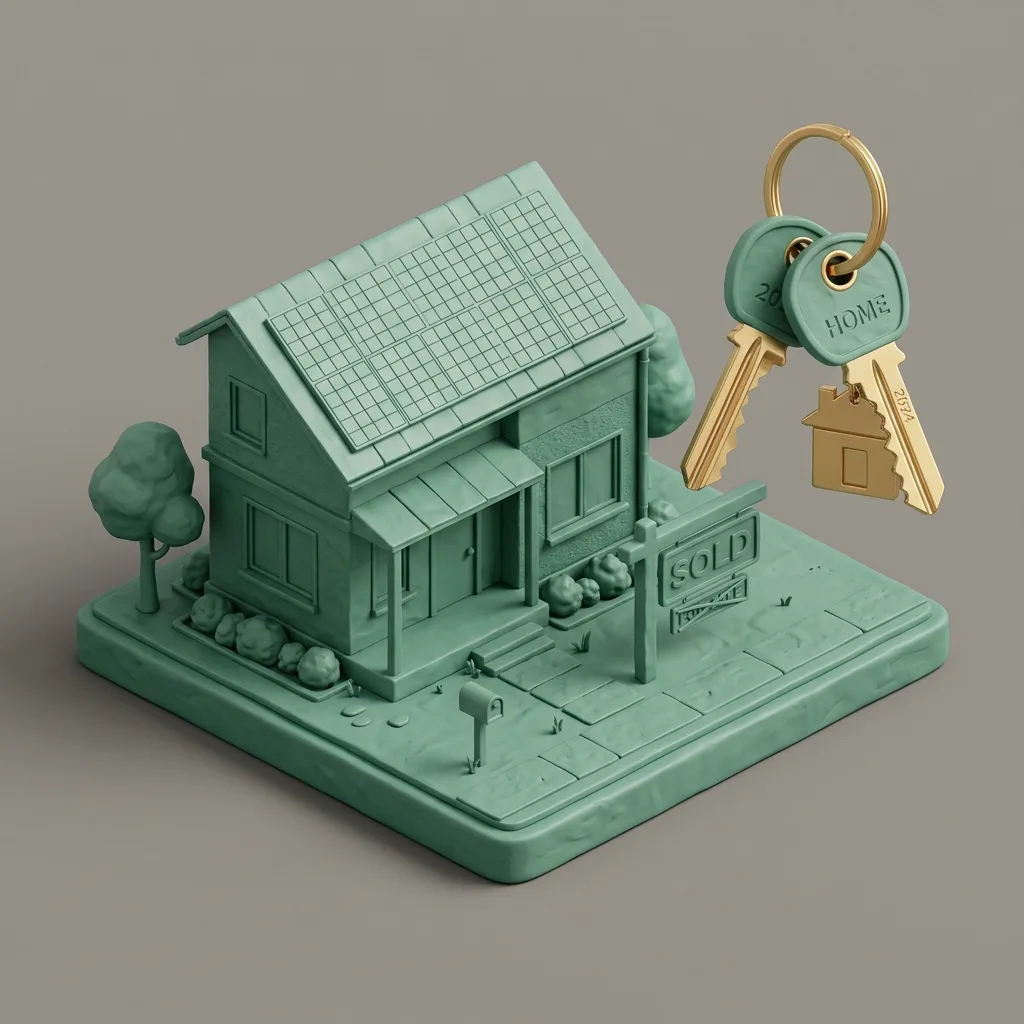
Owned vs. Leased Solar Systems
There are two primary ways to get solar panels: buying them (with cash or a solar loan) or leasing them (through a lease or Power Purchase Agreement).
- Owned Solar Panels: When you purchase a system, you own the hardware. The utility savings belong entirely to you, and the system is considered a permanent fixture of the property. This adds direct value to your home and makes the selling process simple.
- Leased Solar Panels: If you sign a solar lease, a third-party company owns the panels on your roof. You pay a monthly fee to the company for the hardware or the power it generates. Because you do not own the system, it does not add to your home’s appraisal value.
Furthermore, selling a home with a leased system can be challenging. The new buyer must agree to take over your monthly lease contract. If the buyer is unwilling to take on this extra payment, you may have to pay thousands of dollars to buy out the remainder of the lease before you can close the sale.
Buyer Checklist: Purchasing a Solar-Powered Home
If you are looking to buy a house that already has solar panels installed, you should follow this simple four-step checklist to ensure you are getting a smart deal.
Verify the Ownership Model
Ask the seller for the original contract. Make sure the system is fully owned and paid off, rather than leased from a solar company.
Inspect the Age and Warranty
Find out when the system was installed. Ask if the manufacturer’s performance warranty (usually twenty-five years) is transferable to you.
Check the Roof Condition
Ensure the roof under the solar panels is in good condition. Replacing a roof under active panels requires paying to remove and reinstall the solar array.
Review Past Electric Bills
Ask the seller for twelve months of utility bills. This helps you verify the actual electricity savings and see how the system performs in different seasons.
Frequently Asked Questions
Yes, solar panels do increase home value. On average, a house with a fully owned solar system sells for 6.9% more than comparable non-solar homes. For a median-priced US home, this adds approximately $29,000 in resale value.
The exact resale value depends on your state. Homes with solar panels in high-electricity-cost states like California and New York see higher premiums (often over 8%), while the national average premium is around 6.9%.
Yes. In Texas, solar homes sell for about 4.5% to 5% more on average. In Michigan, despite lower sun exposure, the premium is around 4.2% due to rising local utility rates and increasing demand for energy independence.
Yes, adding a battery storage system can increase your home’s appeal. Batteries provide backup power during grid blackouts and storm outages. They also save money in areas with high peak-use electricity rates or low net-metering payments.
If you own the solar panels, it is actually easier to sell the home because buyers love low energy bills. However, if the panels are leased, the sale can be more difficult because the buyer must qualify for and agree to assume the lease contract.