Active Solar Energy: How It Works, Systems, and Benefits
Discover how active solar energy systems capture and convert sunlight into usable electricity and heat using solar panels, pumps, and controls.
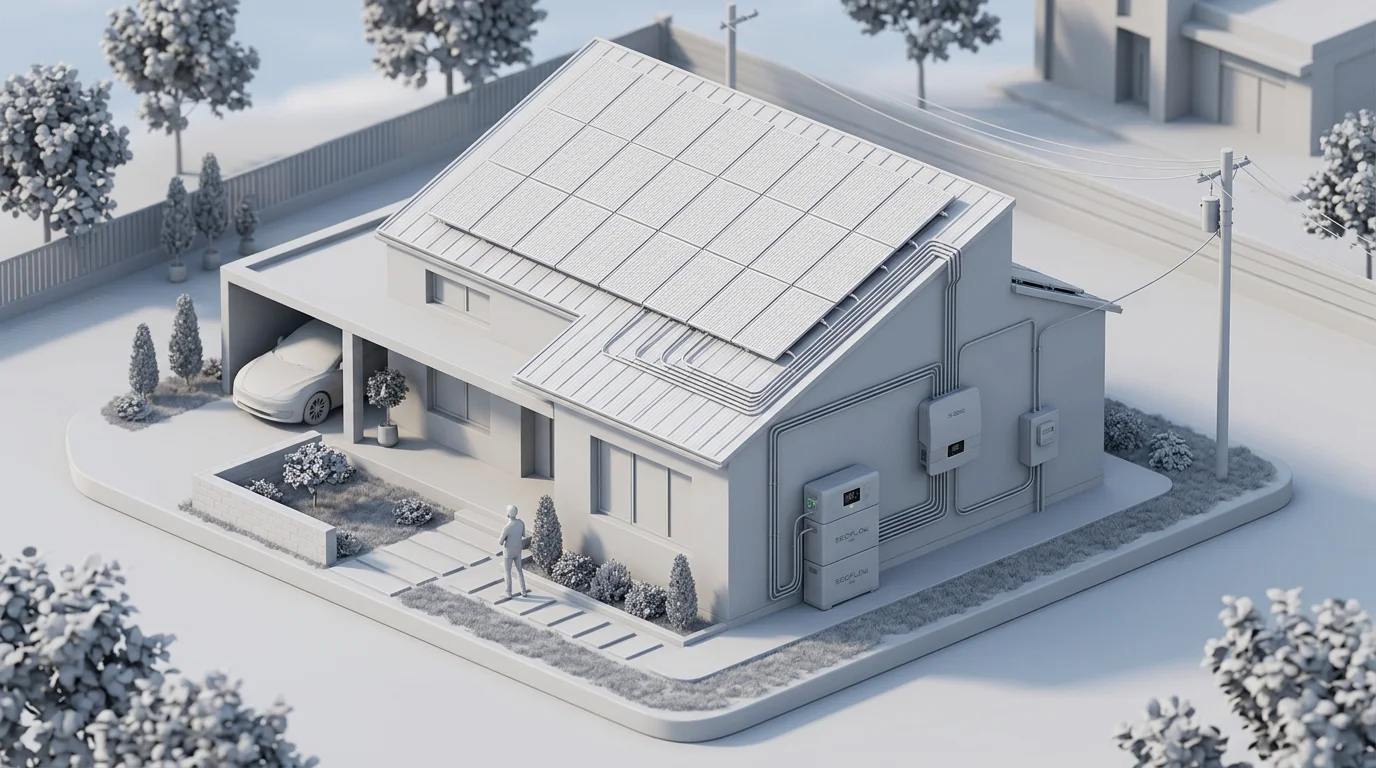
Solar energy is the fastest growing source of power in the world. As we look for clean ways to power our homes, we must understand the different technologies available.
When you study solar energy, you will find two main types of systems: active and passive. Active solar energy systems use mechanical and electrical devices to collect, store, and distribute energy. In contrast, passive systems rely on home design and natural heat movement.
Let us explore how active solar energy works, the main types of systems, and the benefits they offer to homeowners.
What is Active Solar Energy?
Active solar energy systems use external energy sources and equipment to capture solar radiation. These systems use devices such as solar panels, liquid pumps, fans, and electronic controllers to move energy.
There are two primary ways active solar systems process energy:
- Photovoltaic (PV) Systems: These systems turn visible light from the sun into electricity. They use solar panels made of silicon cells.
- Solar Thermal Systems: These systems collect heat from the sun. They use flat-plate collectors to heat liquid or air, then pump it to warm your home or water.
By using mechanical power, active solar systems can store energy and move it exactly where it is needed.
Active vs. Passive Solar: The Key Differences
The main difference between active and passive solar is how they capture and distribute energy. Active systems use technology and electricity to move power. Passive systems use building design and gravity.
To compare these options, let us look at how they stack up side by side.
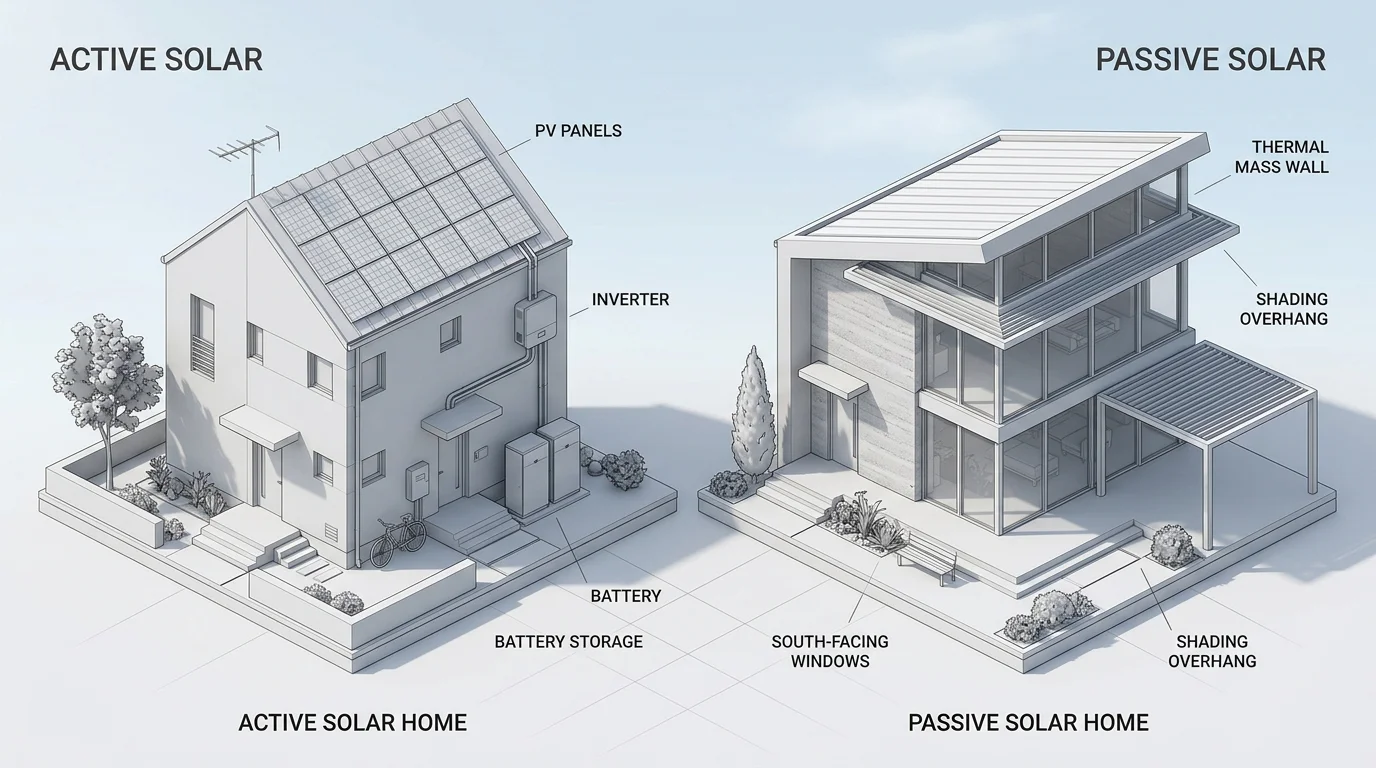
Active Solar Systems
- Uses mechanical pumps and electrical fans
- Generates both household electricity and heat
- Can store energy in batteries or water tanks
- Easy to install on existing homes
- Requires regular electronic maintenance
Passive Solar Design
- Uses building orientation and insulation
- Collects heat only, cannot generate electricity
- Relies on heavy materials like concrete and brick
- Very difficult to add to existing homes
- Requires no maintenance or extra power
How Active Solar Works Step-by-Step
Whether you are generating electricity or heating water, active solar systems follow a clear, four-step process. Here is how energy moves from the sun to your appliances.
Capturing Sunlight
Solar panels or thermal collectors absorb solar radiation. Photovoltaic cells absorb light, while thermal collectors absorb heat.
Moving the Energy
Wires carry direct current electricity from PV panels. In thermal systems, pumps push heated liquid or air through insulated pipes.
Converting and Controlling
An inverter converts electricity into usable household power. For heat systems, a controller regulates pumps to prevent freezing or overheating.
Storage and Distribution
Excess power goes to batteries or the utility grid. Thermal heat flows to water tanks, radiators, or radiant floor pipes to heat the home.
Main Types of Active Solar Systems
Active solar technology is highly versatile. Let us examine the three main types of systems you can install.
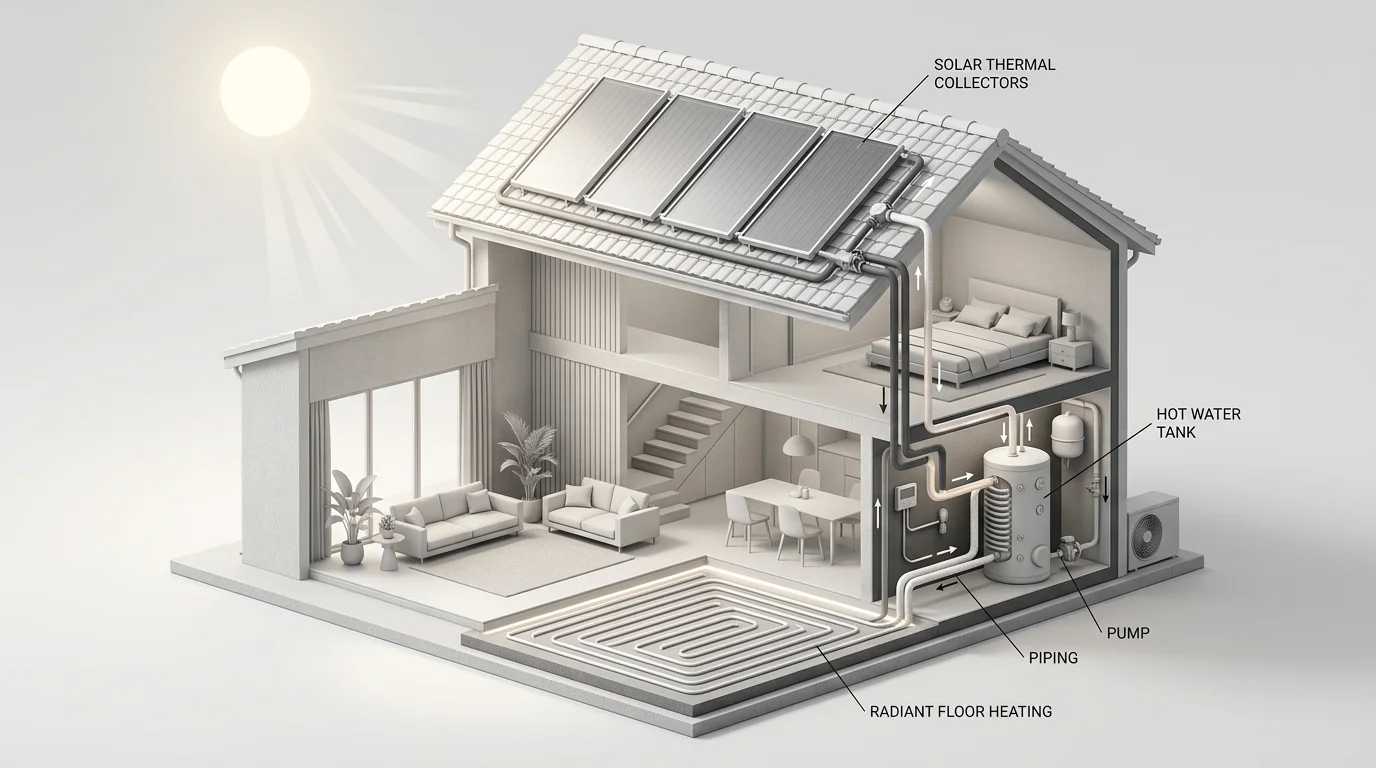
1. Solar Photovoltaic (PV) Systems
This is the most common type of active solar system. It uses solar panels to create electricity. When light hits the silicon cells, it knocks electrons loose, creating an electric current. This system requires an inverter to turn the power into alternating current for your home. You can also add batteries to store electricity for use at night.
2. Liquid-Based Solar Heating Systems
These systems use flat-plate collectors on your roof to collect heat. A liquid, usually water mixed with non-toxic antifreeze, flows through the collectors. As the sun shines, the liquid warms up. Pumps then push the hot liquid into a storage tank. A heat exchanger transfers the heat to your domestic water supply or home heating system, such as radiant floor pipes.
3. Air-Based Solar Heating Systems
These systems heat air instead of liquid. Air is drawn into solar collectors, where it absorbs heat from the sun. Fans then blow the warm air directly into the living space or a rock-based heat storage bin. Air systems are less common because air does not hold heat as well as liquid, but they are simpler and do not risk leaking.
Pros and Cons of Active Solar Energy
Like any technology, active solar systems have benefits and drawbacks. Understanding both can help you decide if active solar is right for your project.
The Benefits
- High Efficiency: Active systems can track the sun or use pumps to maximize energy capture.
- Storage Options: You can store electricity in batteries and heat in insulated tanks for cloudy days.
- Control: You can use thermostats and controllers to manage your indoor temperature precisely.
- Flexible Installation: Active solar systems can be retrofitted onto most existing roofs and structures.
The Limitations
- Upfront Costs: Solar panels, batteries, pumps, and plumbing require a significant initial investment.
- Maintenance Needs: Devices with moving parts, such as pumps and fans, will wear out and require repair over time.
- Power Dependence: If the grid goes down and you do not have a battery, your solar panels will shut down for safety.
Frequently Asked Questions
Yes. Active solar photovoltaic systems use solar panels to generate electricity. However, active solar thermal systems only collect and move heat.
Active water heaters use electric pumps to circulate water through rooftop collectors. Passive water heaters rely on gravity and natural convection, where warm water naturally rises into the home.
Yes. Active liquid systems use non-toxic antifreeze to prevent pipes from freezing. They collect heat even in sub-freezing temperatures as long as the sun is shining.