Powering the AI Revolution: Solar Energy for Data Centers
Explore how artificial intelligence is driving data centers to adopt solar power. Learn about solar sizing ratios, battery storage, and 24/7 matching.
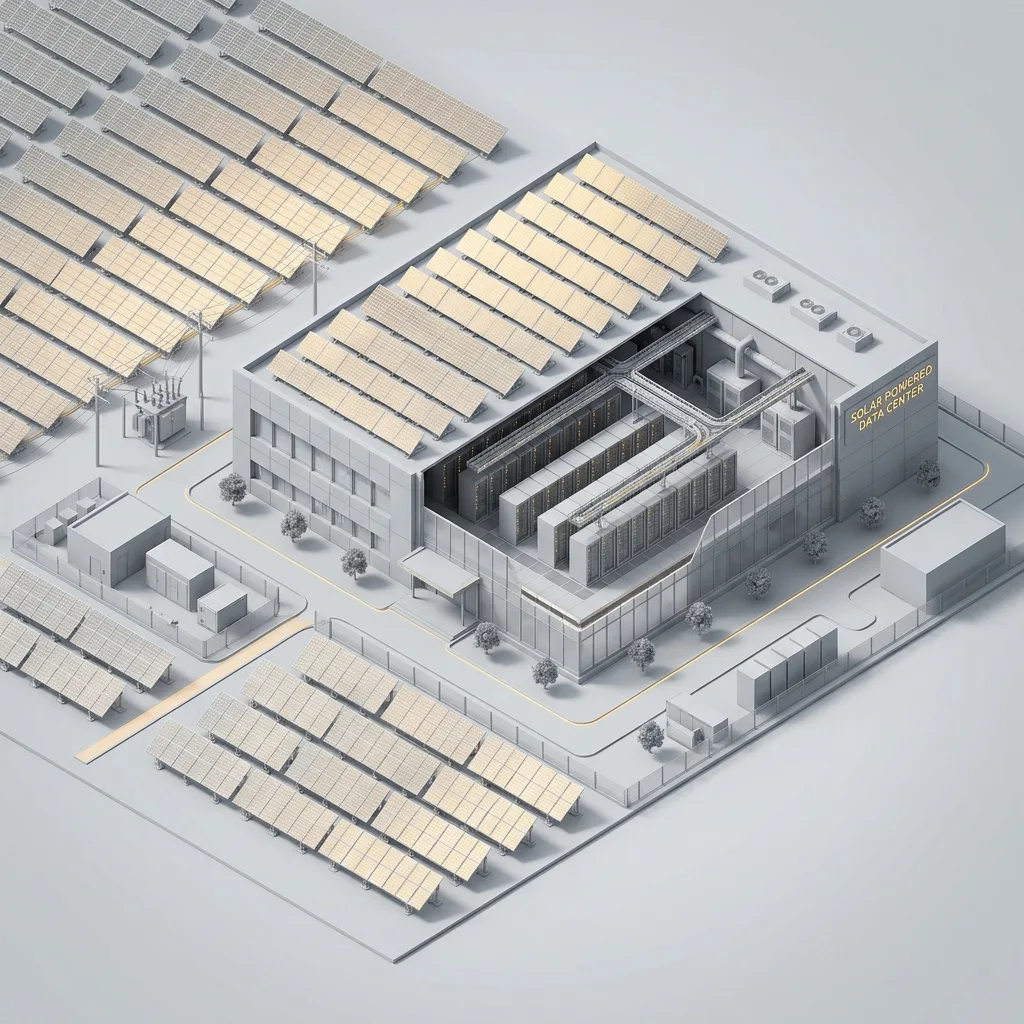
The explosive rise of artificial intelligence is changing how we use computers. It is also changing how we power them. Running large AI models requires massive amounts of electricity. This growth has placed a heavy burden on local power grids.
To solve this problem, technology companies are turning to solar power. By building dedicated solar installations, operators can secure cheap, clean, and reliable energy.
Here is how solar energy is powering the future of digital infrastructure.
The Growth of Data Center Energy Demands
Computer servers run constantly and generate significant heat. Keeping them cool requires even more energy. With the boom in AI workloads, energy consumption is hitting record levels.
Recent energy studies show that global electricity use from data centers is expected to double, reaching over 1,000 terawatt-hours annually. In the United States, this consumption could reach 260 terawatt-hours, representing about 6 percent of all national energy demand. In some land-constrained regions like Ireland, data centers are projected to consume up to 32 percent of the national grid.
To meet these demands without relying on fossil fuels, large technology companies have become the biggest buyers of solar energy. Four major firms (Amazon, Microsoft, Meta, and Google) make up over 98 percent of all corporate power purchase agreements in the United States. Together, they have contracted over 84 gigawatts of clean energy capacity.
Sizing Solar and Storage for Constant Power
Solar panels only generate electricity when the sun is shining. However, computer servers must run 24 hours a day, 365 days a year. To keep data centers online, developers use a combination of oversized solar arrays and battery energy storage systems.
Instead of matching solar capacity 1:1 with the data center load, developers build much larger solar farms. This is called over-sizing.
1. High Solar Sizing Ratio
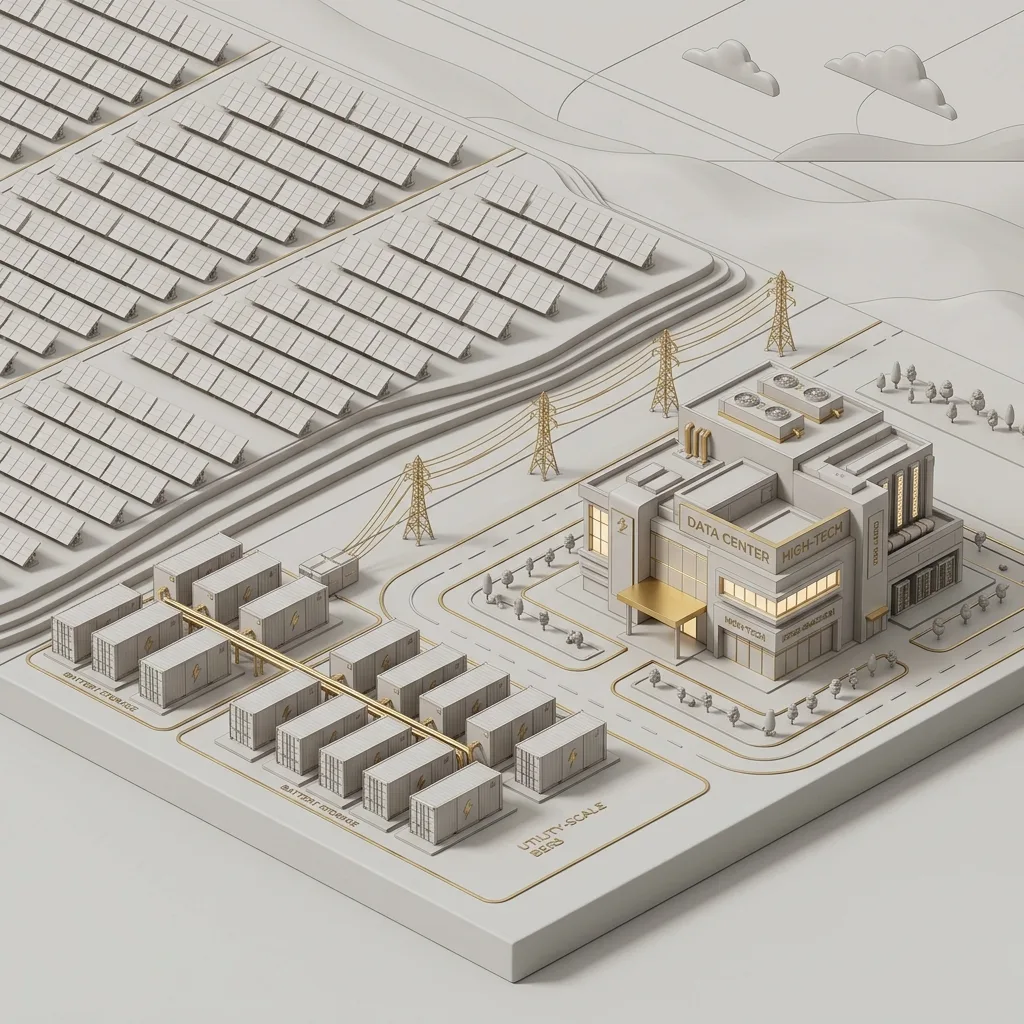
Developers build solar arrays that are two to three times larger than the peak demand of the data center. A 100-megawatt data center might be paired with a 250-megawatt solar farm. This ensures enough power is generated even on cloudy days.
2. Battery Storage Buffer
Excess solar energy generated during the middle of the day is sent to battery storage containers. These batteries discharge during the evening and night, keeping the servers running without interruption.
3. 24/7 Time-Matched Clean Energy
Instead of buying carbon offsets on an annual basis, operators are moving to hourly tracking. They use advanced software to match their actual electricity consumption with clean energy generated at that exact hour.
Comparing Regional Solar Economics
The cost of building solar power for data centers depends on regional sunlight, land costs, and policy support. In the United States, solar remains one of the cheapest sources of new power.
According to Lazard’s latest Levelized Cost of Energy report, the cost of utility-scale solar is highly competitive:
Unsubsidized Utility Solar
The basic cost to build and operate utility-scale solar without government incentives. This average cost has decreased by 84 percent since 2009.
Subsidized Utility Solar
The net cost of solar when utilizing federal incentives like the Production Tax Credit. This makes solar the lowest-cost option for new generation.
Onshore Wind Power
Unsubsidized cost of onshore wind power, which is often paired with solar to provide overnight power generation.
Bypassing the Utility Grid
One of the biggest obstacles to building new data centers is the utility grid connection queue. In many areas, it takes five to seven years to connect a new facility to the transmission grid.
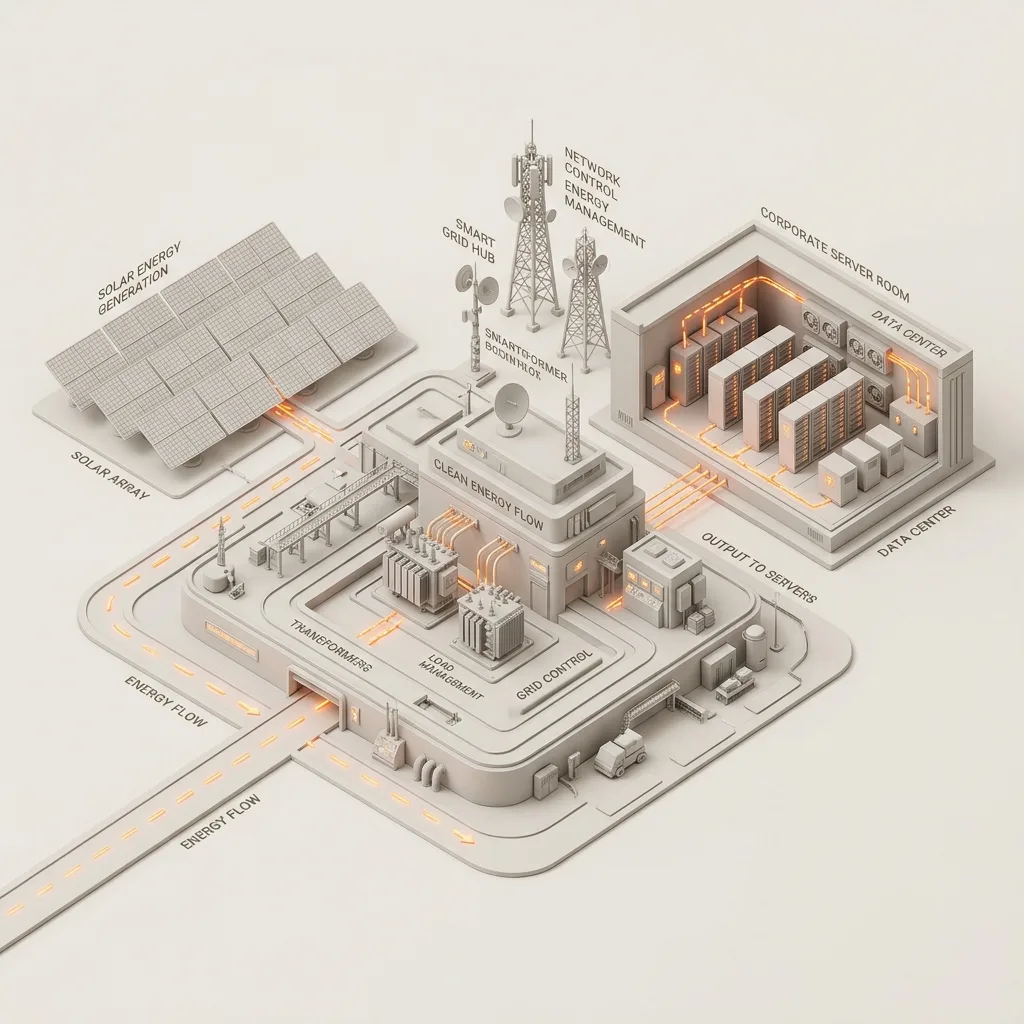
To bypass these delays, operators are co-locating data centers directly next to solar farms. These off-grid clean energy campuses operate independently from the main utility grid.
This approach offers two major benefits:
- Speed to Market: Operators can build and launch data centers years faster by avoiding utility approvals and grid studies.
- Local Grid Relief: Generating and consuming power on-site prevents overloading the regional transmission network.
The Path Forward for Cloud Infrastructure
The pairing of solar energy and digital infrastructure is a necessity. As computer workloads grow, the tech industry cannot rely on aging fossil-fuel grids.
By investing in utility-scale solar, battery storage, and co-located campuses, data center operators are securing their future. This clean energy transition ensures that the digital world can continue to grow sustainably.