How Solar Energy Surpassed Coal Generation
Discover how solar energy overtook coal in electricity generation for the first time on record, marking a massive milestone in renewable adoption.
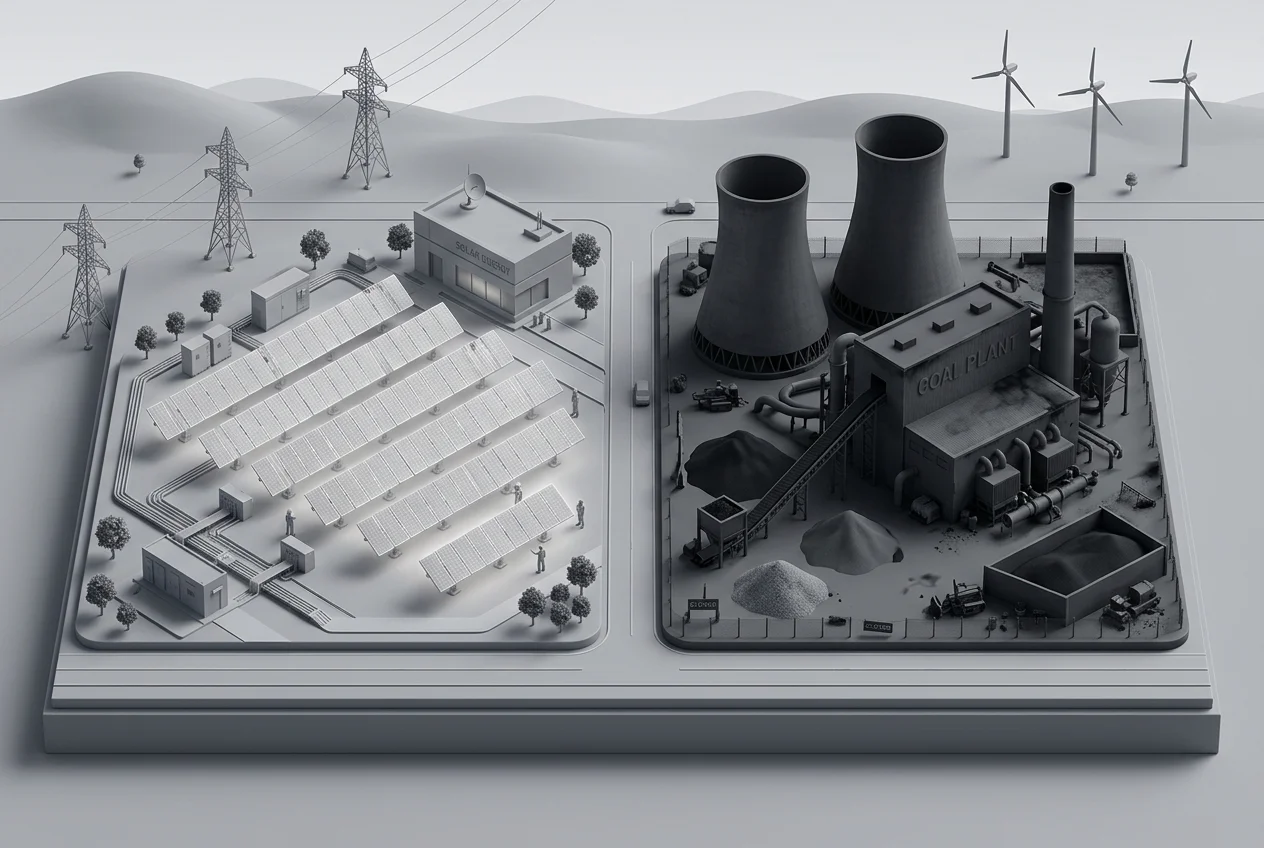
The way we generate power is changing. In a historic milestone, solar panels produced more electricity than coal power plants in the United States for the first month ever.
According to new research from the energy think tank Ember, solar energy supplied a record 12.8 percent of the country’s electricity in May. At the same time, coal fell to just 12.2 percent. This represents a massive shift from only a decade ago, when coal generated nearly forty percent of all US power.
This historic event is not just a temporary spike. It is the result of a steady, long-term expansion of clean power technologies across the nation.
Comparing the Energy Giants
To understand how we reached this milestone, it is helpful to look at how solar and coal have performed over the past few months.
Solar Energy
Solar power is currently the leading source of new electricity generation in the United States. In the first quarter of the year, developers installed 7.8 gigawatts of new solar capacity. That brought the total number of solar installations across the country to over six million.
Coal Power
Coal power continues to decline as aging plants shut down and utilities switch to cleaner, cheaper alternatives. The share of coal in the national energy mix fell to one of its lowest levels ever in May.
Why Solar is Winning the Race
Several key factors are driving this rapid transition. The most important factor is cost. The price of installing solar panels has dropped significantly, making it the cheapest form of new electricity in most regions.
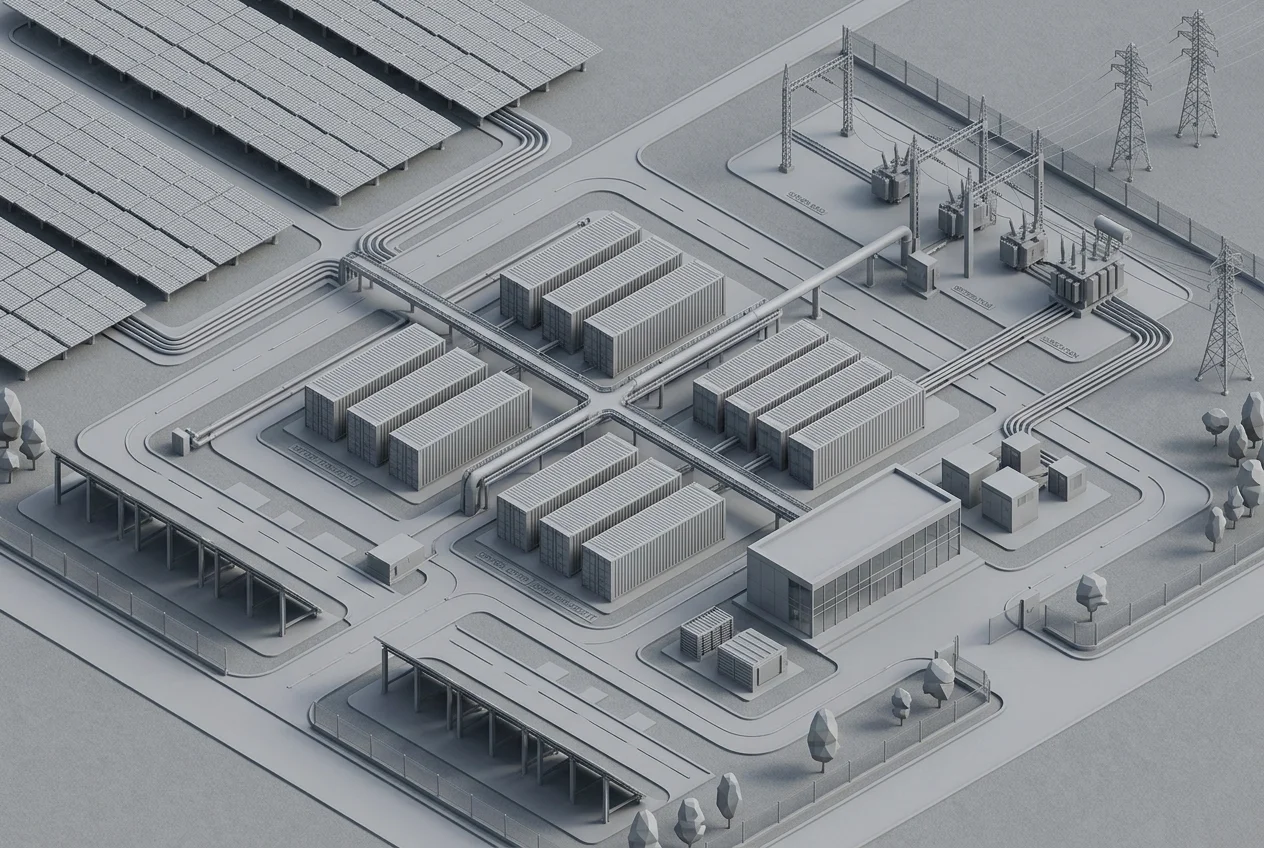
Additionally, developers are combining solar installations with large battery storage systems. These battery systems store excess power generated during sunny hours. The grid can then use this stored energy during the evening, when the sun is not shining. In the first quarter, solar and battery storage represented ninety-one percent of all new power capacity added to the grid.
Policy Support and Long-Term Trends
Clean energy policies are also playing a major role in this growth. Federal tax credits have provided long-term stability for developers. This makes it easier for companies to plan and build large-scale projects.
While the pace of growth may shift from quarter to quarter due to supply chain challenges or local policy updates, the overall direction is clear. Solar is no longer a small, alternative energy source. It is now a core pillar of the modern electricity grid.
Global Implications
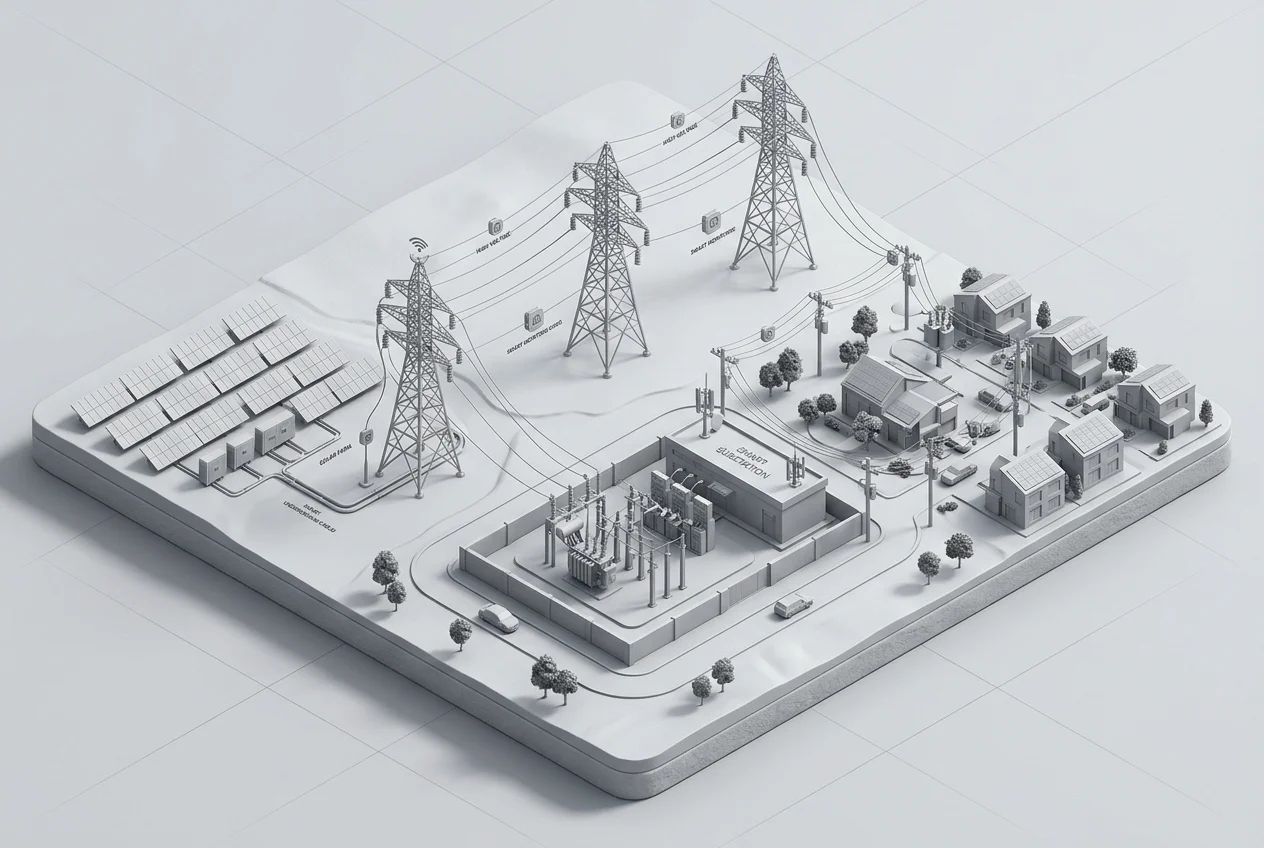
The transition in the United States matches similar trends happening around the world. Globally, renewable energy capacity grew by a record 692 gigawatts in recent years. Solar energy accounted for nearly three-quarters of that growth. As technology continues to improve and battery storage becomes even more affordable, the shift toward clean power will only accelerate.