Solar Power Grid Resilience: How Solar Systems Protect Infrastructure During Extreme Weather
Discover how solar microgrids and battery storage strengthen electrical grid resilience, maintain emergency power during severe weather, and prevent widespread blackouts.
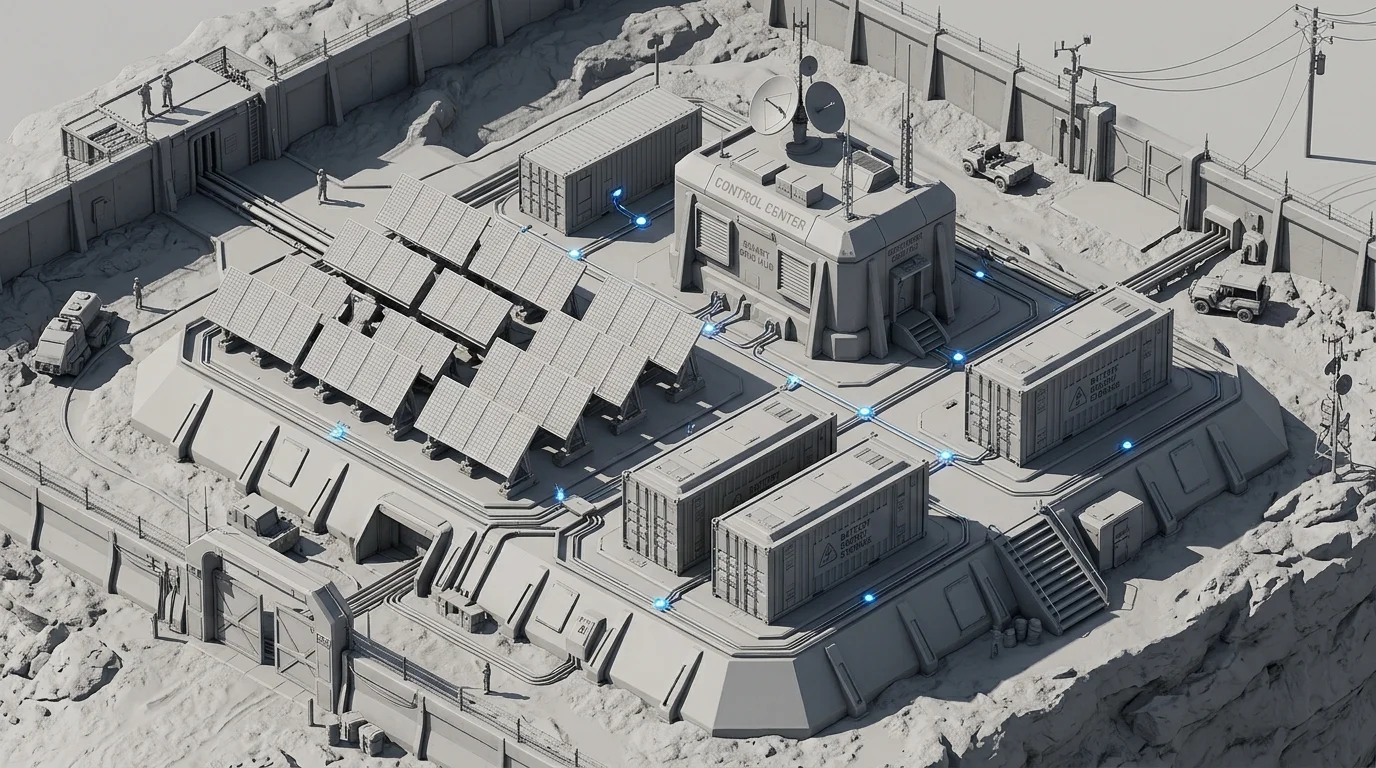
Extreme weather events pose an increasing threat to traditional electrical infrastructure around the globe. Heatwaves, severe storms, and winter freezes frequently overload aging power grids, leaving millions of homes and businesses in the dark. Traditional centralized grids rely on long-distance transmission lines that are vulnerable to falling trees, high winds, and severe temperature spikes.
Solar energy systems, combined with advanced battery storage and microgrid technology, provide a modern solution to these vulnerabilities. By generating and storing electricity directly where it is consumed, solar power strengthens grid resilience, keeps critical medical and municipal services online during emergencies, and speeds up recovery after power outages.
Decentralized clean power transforms how communities withstand environmental challenges. Distributed solar systems reduce strain on main transmission lines and prevent rolling blackouts during peak demand periods.
Comparing Grid Architecture
To understand how solar improves resilience, it helps to compare traditional centralized power systems with modern distributed microgrids. Traditional grids depend on a single, continuous line of supply from distant power stations to end users.
Distributed Solar Microgrids
Distributed solar systems generate clean electricity locally. When severe weather downs main utility lines, solar microgrids automatically isolate from the main grid to keep local homes, hospitals, and emergency services fully powered.
Centralized Power Grids
Centralized grids depend on massive fossil fuel plants and thousands of miles of exposed overhead power cables. A single storm damaged transmission tower can trigger cascading blackouts across entire states.
Key Mechanisms of Solar Resilience
Solar power systems protect energy infrastructure through several key technical mechanisms. Understanding these core features explains why energy planners prioritize clean microgrids.
Islanded Operation
During a blackout, islanding disconnects local solar systems from the central grid. This keeps electricity flowing to local buildings safely without sending dangerous power back into damaged utility lines.
Battery Storage Backup
Large battery banks absorb extra solar power produced during daylight hours. When storms strike or darkness falls, the stored energy instantly powers critical devices without interruption.
Peak Shaving and Load Management
During extreme heatwaves, air conditioning demand spikes across cities. Solar panels generate maximum energy exactly when cooling demand peaks, preventing transformer overloads and grid failure.
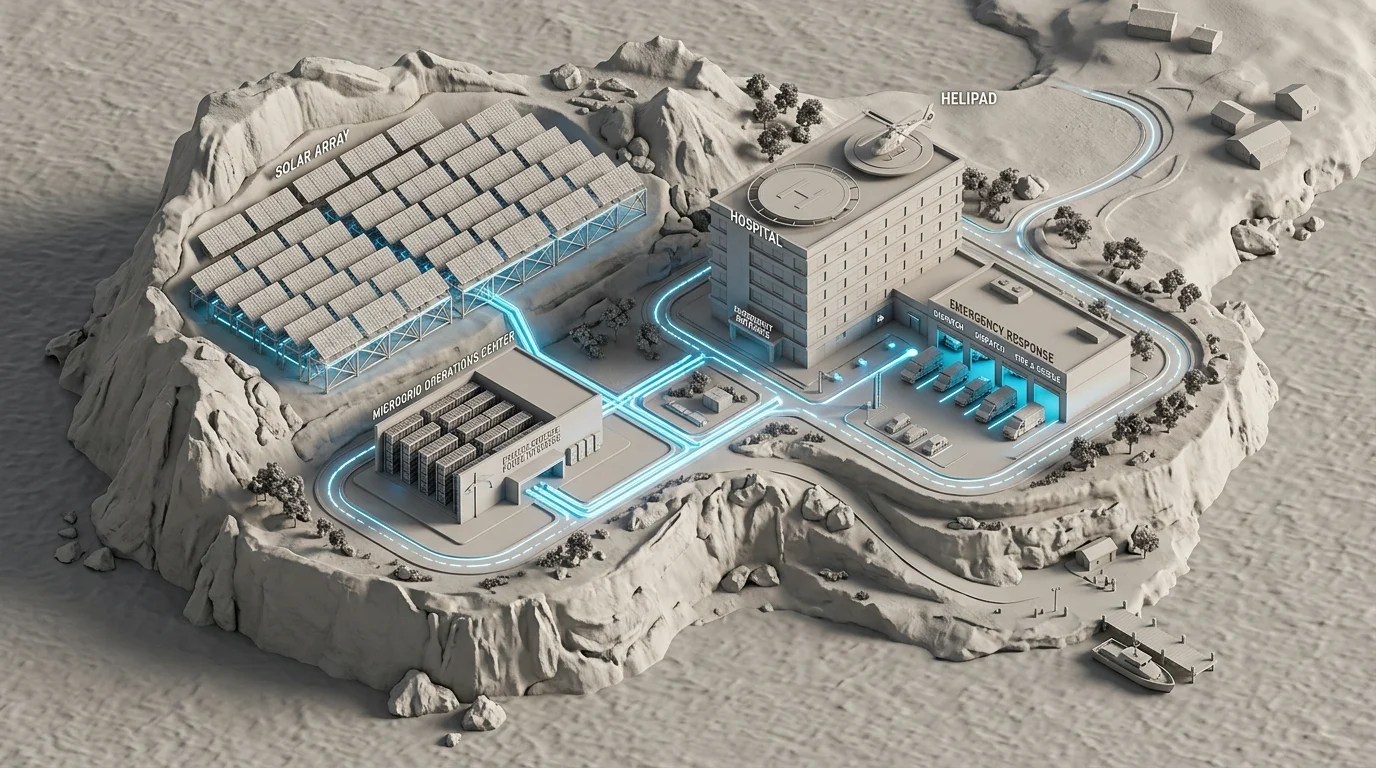
Protecting Critical Infrastructure
When severe weather knocks out centralized power, essential public services must stay operational. Emergency response centers, water treatment plants, medical clinics, and food distribution centers rely on continuous electricity to save lives.
In traditional setups, emergency systems rely on diesel generators. However, diesel generators face significant risks during prolonged disasters, including fuel shortages, mechanical failures, and toxic exhaust fumes. Solar microgrids paired with lithium-ion or sodium-ion battery storage offer clean, continuous, and zero-maintenance power during long utility outages.
Cities and towns worldwide are adopting solar microgrids to create community resilience hubs. These hubs provide public charging stations, refrigerated medicine storage, and emergency shelters during natural disasters.
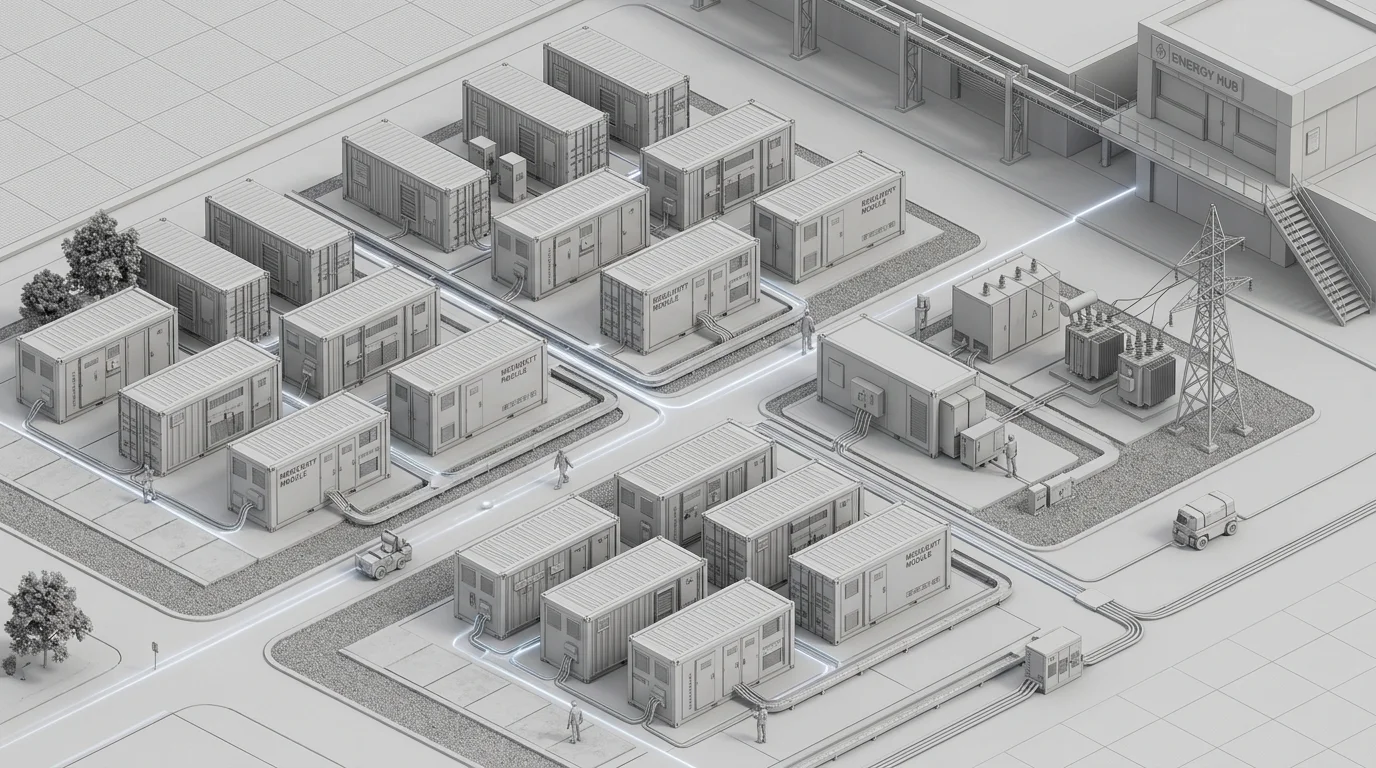
Economic and Environmental Co-Benefits
Building resilient solar infrastructure produces major economic and environmental gains alongside disaster protection. Power outages cost businesses and homeowners tens of billions of dollars each year in lost productivity, spoiled inventory, and damaged equipment.
By investing in distributed solar arrays and energy storage systems, communities reduce financial losses from weather disruptions. Additionally, clean energy microgrids lower daily electricity bills by reducing reliance on expensive peak grid energy.
As climate challenges increase, integrating solar power into grid resilience strategies provides a sustainable foundation for communities worldwide. Local clean energy generation protects lives today while building a stronger power grid for the future.