The True Environmental Impact of Renewable and Recyclable Materials
Discover how the EPA's waste hierarchy and circular economy principles are solving the 292 million ton trash problem through recycling and renewables.
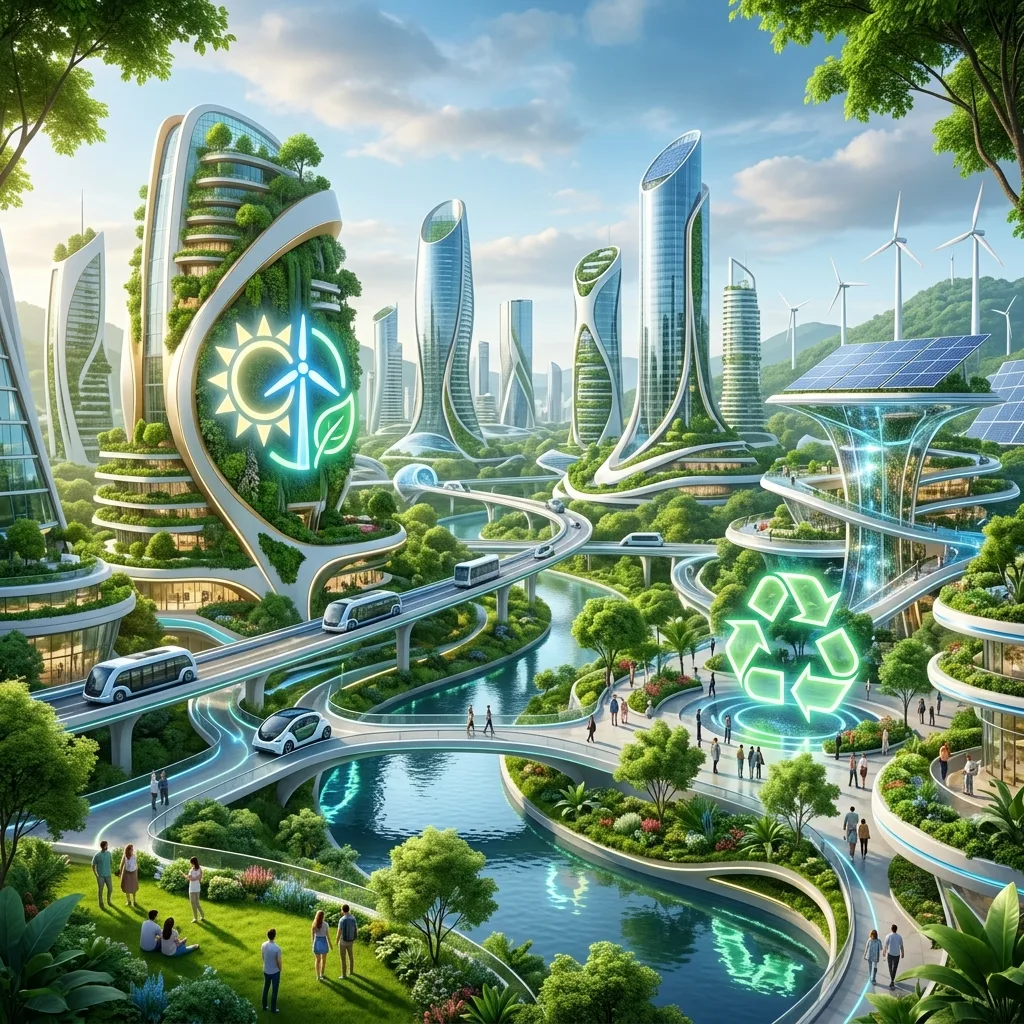
Have you ever stopped to think about exactly how much garbage people create every single day? It is a massive amount. According to official data from the United States Environmental Protection Agency, the country generated an incredible 292.4 million tons of trash in a single year. Out of that massive pile of garbage, 146.2 million tons ended up buried in landfills. These landfills take up a lot of space, and they can be very harmful to our air and our water.
However, there is a powerful solution to this giant problem. By using renewable energy and recyclable materials, we are completely changing how we handle waste. We are turning a massive problem into a fantastic opportunity.
Let us dive deep into the official rules of waste management and discover how renewable technologies and a circular economy are protecting our planet right now.
The Waste Management Hierarchy
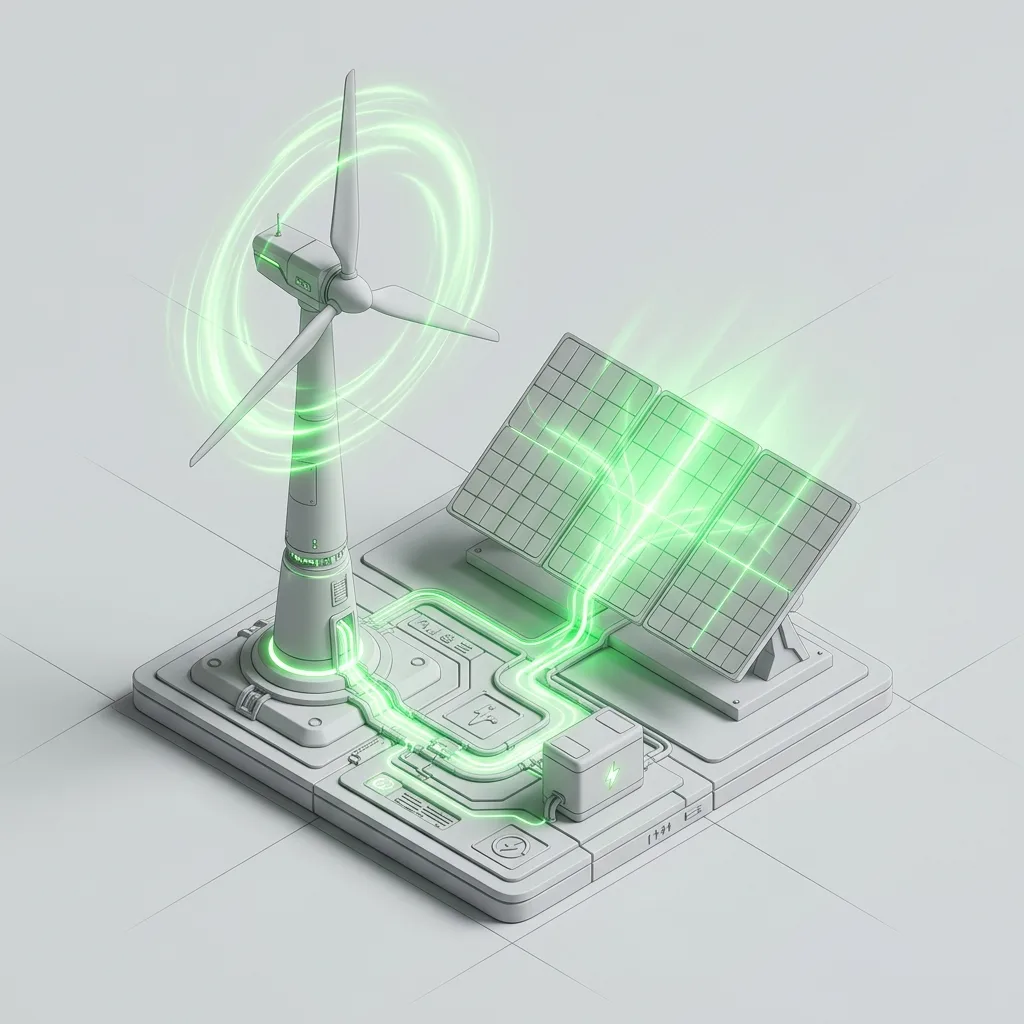
The Environmental Protection Agency has a very specific set of rules for how we should handle the things we do not want anymore. They call this the Waste Management Hierarchy. It is basically a list that ranks different strategies from the most helpful for the Earth to the least helpful.
The top strategy is always to stop waste before it even starts. The next strategy is to reuse items. The third strategy is recycling. The very last resort is putting things into a landfill or burning them. When we follow this exact order, we keep our planet incredibly clean and safe for future generations.
Step One: Source Reduction
The very best way to handle waste is to simply not create it in the first place. The Environmental Protection Agency calls this “source reduction.” If you do not create trash, you do not have to worry about where to put it.
Source reduction is the most environmentally preferred method on the entire hierarchy. This means making things use fewer materials, designing products that last a very long time, and avoiding single use items. For example, if you bring a sturdy cloth bag to the grocery store, you completely eliminate the need for plastic grocery bags. That is source reduction in action.
When companies design products to be thinner or lighter, they save materials. When they design products to be easily fixed instead of thrown away, they reduce waste. This step alone can stop millions of tons of trash from ever being created.
Step Two: The Power of Reusing Materials
If we must create an item, the next best thing we can do is reuse it. Reusing waste materials is ranked higher than recycling because it takes zero extra energy.
When you donate an old jacket to a charity shop, you are reusing it. When you wash out a glass pasta jar and use it to hold your pencils, you are reusing it. The item stays in its original form, but it gets a brand new life. This is much better than throwing it away. It saves the energy that a factory would have used to create a brand new jacket or a brand new glass jar.
Step Three: The Incredible Process of Recycling
Products should only be recycled if they cannot be reduced or reused. But what exactly is recycling? Recycling is the process of collecting materials that would normally be thrown away as trash. These materials are then processed in large factories and turned into entirely new products.
Recycling provides massive benefits to your local community, the national economy, and the global environment. Here are the most important benefits:
Protects Natural Habitats
Recycling conserves vital natural resources like timber from trees, clean water, and precious minerals from the Earth.
Prevents Severe Pollution
It prevents dangerous pollution by completely reducing the need to collect brand new raw materials through harsh mining and logging.
Saves Massive Energy
It saves a gigantic amount of energy because melting down old materials is much easier than extracting new ones from rock.
Creates Important Jobs
The recycling and manufacturing industries create hundreds of thousands of excellent jobs across the entire country.
How the Recycling System Actually Works
The recycling system is a three part process. It is a continuous loop that relies on everyone working together perfectly.
The first part of the process is collection. You place your cardboard boxes, aluminum cans, and plastic bottles into your blue recycling bin. A special truck picks them up and drives them to a sorting facility.
The second part of the process is manufacturing. The sorting facility separates the paper from the plastic and the glass from the metal. These sorted materials are then sold to factories. The factories melt them down or mash them up. They use this recycled material to build new cars, new soda cans, and new newspapers.
The third and final part of the process is purchasing. The loop is not complete until people actually buy the items made from recycled materials. When you choose to buy recycled paper for your printer, you are closing the loop and keeping the entire system healthy.
The Connection Between Circular Economy and Renewables
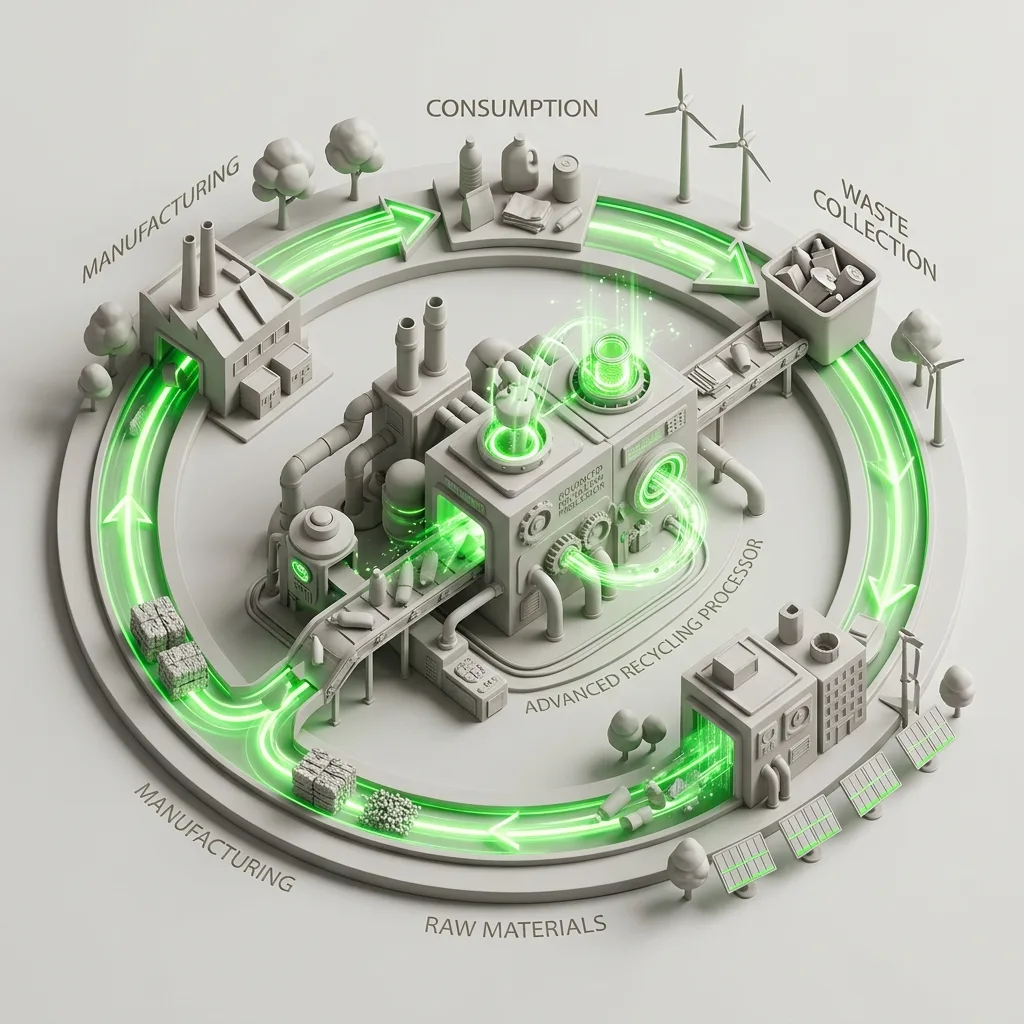
Recycling is a huge part of a bigger concept called the circular economy. Experts at the RES4Africa Foundation explain that the circular economy and renewable energy are deeply connected. They must be thought of together because they are mutually beneficial.
A circular economy means we stop living in a straight line where things end up in the trash. Instead, we design everything to be reused or recycled over and over again. Renewable energy, like solar panels and wind turbines, gives us clean power to run this perfect circle without polluting the sky.
However, there is a very important challenge we must face. In order to switch to clean energy, we must build thousands of giant wind turbines, millions of solar panels, and huge battery storage systems. These amazing technologies create clean power, but the machines themselves will eventually grow old and break down.
Preparing for the Future of Energy Waste
If we are not careful, millions of old solar panels could end up in our landfills in the next twenty years. That is why the circular economy is so incredibly important right now.
We must design our renewable energy technology so that it can be easily recycled. When a giant wind turbine blade finishes its life, we cannot just bury it in the ground. We need to have the technology ready to break that giant fiberglass blade down and turn it into something new.
When an electric car battery stops working, we must be able to open it up and recycle the precious lithium and cobalt inside. By combining renewable energy with strict recycling rules, we ensure that our solution to climate change does not accidentally create a giant mountain of trash.
The Challenges We Must Overcome
While the waste management hierarchy is a fantastic plan, we still face challenges. Not everyone has access to a good recycling program in their neighborhood. Sometimes people accidentally put the wrong items into their recycling bins. A greasy pizza box or a tangled plastic bag can actually ruin a whole batch of good paper or slow down the machines at the sorting factory.
This is why education is so important. We must teach everyone the simple rules of what can and cannot be recycled. We must also encourage companies to create packaging that is much easier to recycle. Instead of wrapping toys in hard plastic and cardboard, they should use simple, single materials.
Taking Action in Your Own Home
You hold an incredible amount of power in your own hands. The Environmental Protection Agency’s waste hierarchy is not just for giant factories. It is a guide for exactly how you can live your life every single day.
First, look for ways to practice source reduction. Can you use a refillable water bottle instead of buying plastic ones? Can you bring your own bags to the store?
Next, look for ways to reuse. Can you fix your broken bicycle instead of throwing it out? Can you donate your old books to a local library?
Finally, make sure you are recycling properly. Check your local town website to see exactly what materials they accept in the blue bins. Make sure your cans and bottles are completely empty and clean before you toss them in.
Every single choice you make helps save energy, protects the forests, and keeps our air clean. Together, we can take that 292 million tons of garbage and shrink it down to nothing.
Frequently Asked Questions
It is the official guide from the Environmental Protection Agency. It ranks the best ways to handle waste. The top preferred method is source reduction, followed by reuse, and then recycling. The worst option is putting things in a landfill.
Reusing an item takes absolutely zero extra energy. When you recycle a glass jar, a factory has to use energy to melt it down. When you just wash the jar and reuse it at home, you save 100 percent of that factory energy.
They work together perfectly. Renewable energy provides clean power, and the circular economy ensures that the materials used to build things like solar panels and wind turbines are eventually recycled instead of thrown away.
In 2018, the United States threw away over 146 million tons of trash into landfills. This takes up massive amounts of space, destroys natural habitats, and creates harmful pollution that damages our Earth.
Always check with your local town or city. Keep your recyclables clean and dry. Never put plastic grocery bags into your curbside recycling bin, as they can get tangled in the sorting machines at the factory.